A short historical background
Important Bulgarian history
Modern arguments make more sense if you know the main historical periods. These include the medieval Bulgarian states, Ottoman rule, the National Revival, the wars, communist rule, and the difficult move to democracy.
- Before 681
Thracians, Greeks, Romans, and Byzantines
Ancient Thracian societies left tombs, treasure, and stories that are still debated. Greek colonies grew along the Black Sea. Rome and Byzantium shaped the cities, roads, religion, and government.
- 681–1018
The First Bulgarian Empire
A treaty with Byzantium in 681 is generally treated as the foundation of the Bulgarian state south of the Danube. Boris I made Christianity the state religion. The Preslav Literary School flourished under Simeon I, and Bulgaria became a major medieval power and cultural centre.
- 1185–1396
The Second Bulgarian Empire
An uprising restored Bulgarian rule with Tarnovo as its capital. The state reached a high point under Ivan Asen II, then broke apart before the Ottoman conquest.
- Late 1300s–1878
Ottoman rule and the National Revival
Centuries inside the Ottoman Empire changed society. Orthodox religion, local communities, monasteries, and later schools and books helped keep a Bulgarian identity. During the nineteenth-century National Revival, movements grew for an independent church, education, and political freedom.
- 1876–1908
Uprising, liberation, unification, independence
The April Uprising of 1876 was crushed but drew international attention. War between Russia and the Ottoman Empire led to an autonomous principality in 1878, which meant Bulgaria had partial self-rule. Bulgaria united with Eastern Rumelia in 1885 and declared full independence in 1908.
- 1912–1944
Wars, lost territory, and authoritarian politics
The Balkan Wars and two world wars brought territorial ambition, defeat, refugees, coups, and political violence. Bulgaria joined the Axis in World War II but did not declare war on the Soviet Union. Some citizens and public figures helped prevent the deportation of Bulgarian Jews, while the state deported Jews from occupied territories.
- 1944–1989
Communist Bulgaria
The Soviet army entered Bulgaria, and a coup brought the Fatherland Front to power. The monarchy ended in 1946, political opposition was destroyed, and Bulgaria became a one-party state. This period brought rapid industrialisation and mass education, but also political repression, shortages, and forced assimilation, including attempts to erase minority identities.
- 1989–today
Democracy, transition, and Europe
The fall of Todor Zhivkov began a difficult move to parliamentary democracy and a market economy. Bulgaria joined NATO in 2004 and the European Union in 2007. It entered Schengen in stages from 2024 and adopted the euro in 2026.
Historical figures you should recognise
Khan Asparuh
Ruler linked to the founding of the Bulgarian state recognised by Byzantium in 681.
Knyaz Boris I
Made Christianity the state religion and welcomed the disciples of Cyril and Methodius. Their work supported worship, education, and writing in a Slavic language.
Tsar Simeon I
Ruled during Bulgaria’s “Golden Age,” when its political power grew and the Preslav Literary School flourished.
The Asen dynasty
Ivan Asen I and Peter restored the state; Ivan Asen II later led the Second Empire at its political and cultural height.
Paisius of Hilendar
Monk whose Slav-Bulgarian History became an important early text of the National Revival.
Vasil Levski
Revolutionary organiser known as the Apostle of Freedom. He is one of Bulgaria’s most widely respected national figures.
Hristo Botev
Poet, journalist, and revolutionary. His writing and his death during the 1876 uprising became important national symbols.
Ivan Vazov
Writer often called the patriarch, or leading figure, of Bulgarian literature. His work shaped how later generations understood the National Revival and the new state.
Stefan Stambolov
Revolutionary who became a powerful prime minister. He is praised for defending Bulgarian independence and criticised for limiting political freedom.
Todor Zhivkov
Communist leader from 1954 to 1989. Views of his rule differ sharply because of changes in living standards, political repression, industrial growth, dependence on Moscow, and the forced campaign against Turkish names and identity.
Common beliefs and superstitions
Common Bulgarian superstitions
Not every Bulgarian literally believes every superstition below. People may laugh while obeying one anyway, repeat it because a grandmother did, or suddenly become very serious when you put a handbag on the floor.
Red threads and the evil eye
A red thread around the wrist, especially on a baby, is said to protect against уроки. This is harm believed to come from jealousy or excessive praise. You may hear a quick “пу-пу-пу” after praise to avoid bad luck, sometimes with actual spitting.
Bags on the floor
Putting a bag or purse on the floor is said to make your money disappear. Plenty of people who call this nonsense will still move your bag onto a chair.
Whistling indoors
Indoor whistling is sometimes said to bring poverty, and someone may ask you to stop.
Pouring water before a journey
Someone may pour water behind a person before a first school day, exam, wedding journey, or other important departure. It is a wish for good luck and a smooth path. The phrase is Да му върви по вода, roughly “may things go for him like water flows.”
Handshakes at the threshold
A doorway is a symbolic boundary. Greeting, passing an object, or shaking hands across it is avoided in some homes; step fully inside or outside first.
Knocking on wood
Да чукна на дърво, “let me knock on wood”, follows a hopeful statement so that bad luck does not reverse it.
Fear of draughts
Течение, air moving between open windows or doors, is blamed for stiff necks, earaches, colds, and a surprising range of bodily trouble. Debating the medical evidence rarely wins the argument.
Martenitsi in spring
On 1 March, people exchange red-and-white martenitsi for health and protection, wearing them until they see a stork, swallow, or blossoming tree. The custom is joyful, mainstream, and taken far beyond tourist folklore.
Respect for bread
Bread has deep ritual and household importance. Leaving a loaf upside down, throwing good bread away casually, or treating ceremonial bread carelessly can upset older or more traditional people.
Nestinarstvo and firewalking
Nestinarstvo survives as a rare ritual in the Strandzha village of Bulgari. Fire dancers cross hot coals during a religious festival linked with Saints Constantine and Helena, community well-being, and fertility.
Orthodox customs in daily life
Religion, observance, and visiting a church
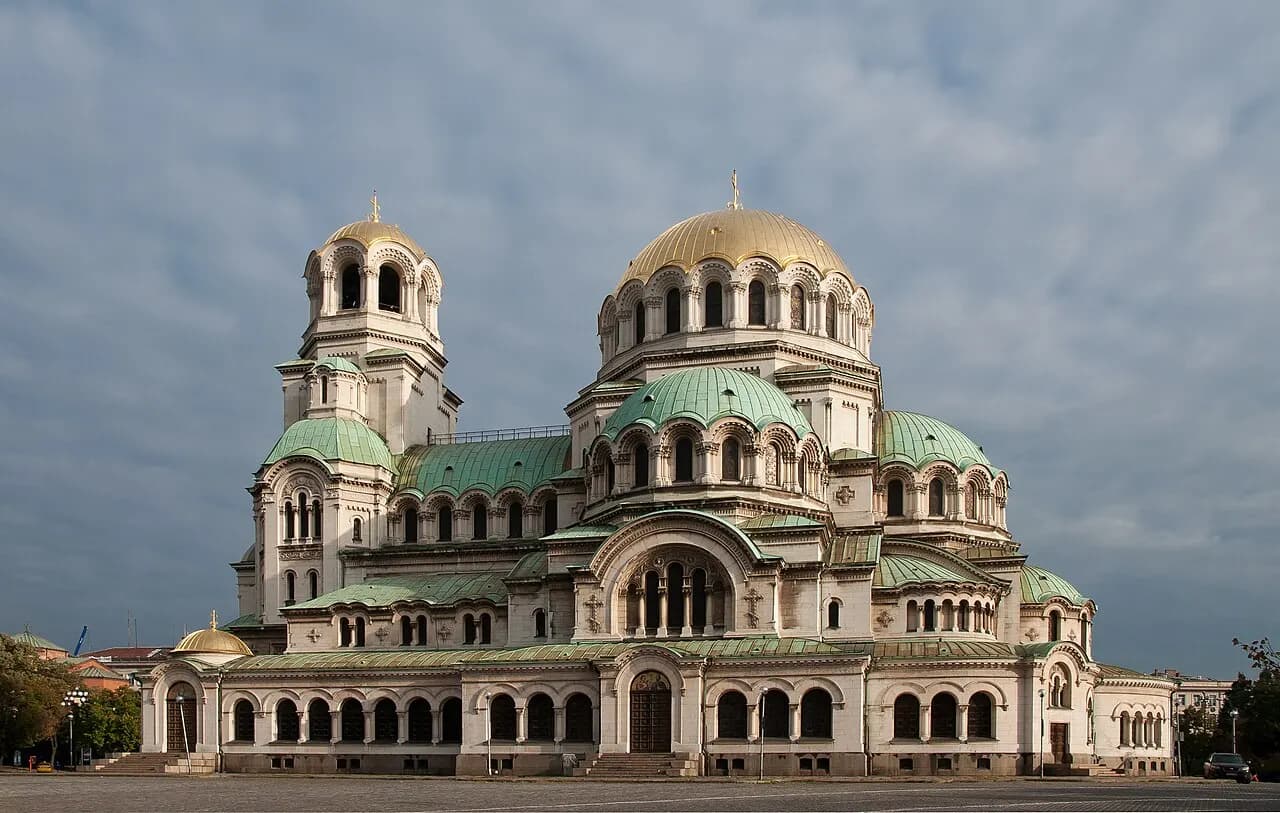
Bulgarian Orthodox customs appear in the public calendar, family rituals, and church architecture such as Alexander Nevsky Cathedral. Some people attend services regularly, while others participate mainly at Easter, Christmas, baptisms, weddings, and funerals.
- Lighting candles in churchPeople buy thin candles, light them from an existing flame, and place them in stands for the living or the dead. Watch before joining.
- Religious fasting and foodOrthodox fasting periods help explain the word постно on restaurant menus and the meatless Christmas Eve table.
For a deeper visit, see Rila Monastery and Bulgaria’s sacred heritage, or watch a tour of Rila Monastery.
Wedding customs
Bulgarian weddings
Bulgarian weddings vary by family and region. Guest lists can be large, restaurant receptions often run late, and horo dancing may involve most of the room.
The guest list can be enormous
Family, colleagues, neighbours, school friends, and relatives from abroad may all be invited. The couple’s extended families usually attend the same reception.
The wedding horo
The circle or line dance may pull almost everyone onto the floor. Watch first, join at the end, and accept that the steps will change with the region, the band, and the person leading the line.
Toasts and food
Expect long meals, repeated toasts, live music or a DJ, and a host who insists that you have not eaten enough. You can participate without drinking every glass.
Wedding gifts
Cash in a card or envelope is common, especially when guests contribute to the couple’s new household. Ask a Bulgarian friend about the amount and local expectations.
Regional wedding customs
Bread, honey, breaking plates, welcoming the couple, stealing a shoe, and other customs vary by family and region. No single set appears at every wedding.
The party may run late
Late-night dancing, a second venue, and an after-party are all possible. Bring comfortable shoes and plan the journey home.
Wedding customs differ by region and family. Bulgaria’s tourism information places weddings among the country’s important life-cycle traditions and notes distinct regional wedding dress and ritual.
Birthdays and name days
Birthdays, name days, and treating the group
Bulgarian birthdays often involve generous hosting, treating friends, and keeping the wider family involved. Some people give their name day equal or greater importance.
- Who pays on a birthdayAt work, school, or among friends, the person celebrating may bring sweets, cake, or drinks. This is a gesture of sharing, not a rule that applies in every workplace.
- Open-house name daysOn the saint’s day connected with their name, a person may receive congratulations, visits, or flowers. Some people host an unplanned gathering; others barely mark the day.
- Birthday wishes and customsExpect food, music, a restaurant table, a home gathering, or a long phone call with relatives. The social obligation may stretch across several days.
- Personal preferencesName-day customs vary with age, religion, family tradition, city, and personality. Let the person tell you how much the day means to them and whether they want their age announced.
Честит рожден ден! means “Happy birthday!” Честит имен ден! means “Happy name day!”
Traditions through the year
Traditions through the seasons
Bulgarian traditions vary by family, region, and generation. They can take place at home, at town festivals, at work, or online.
Kukeri and Baba Marta
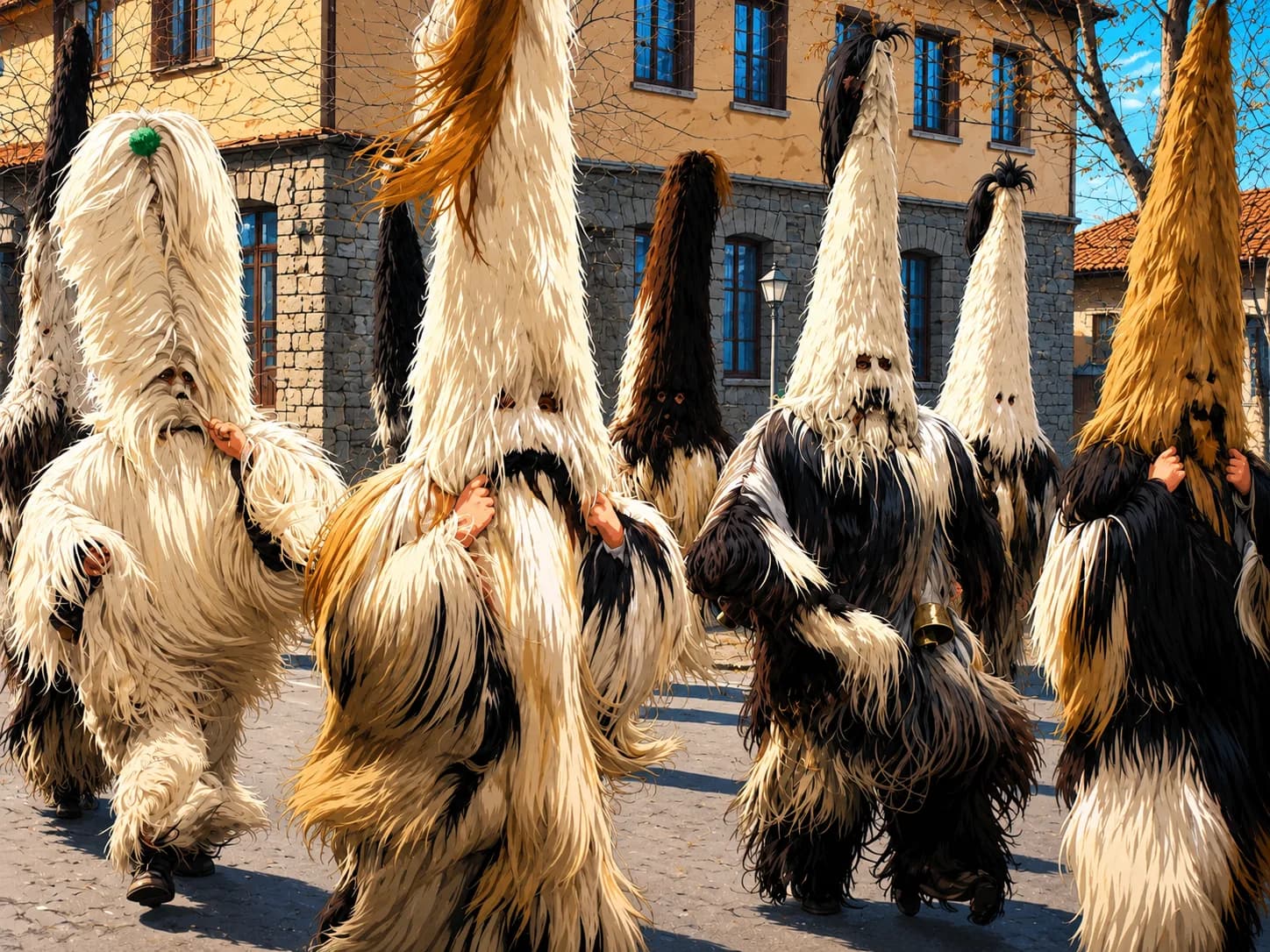
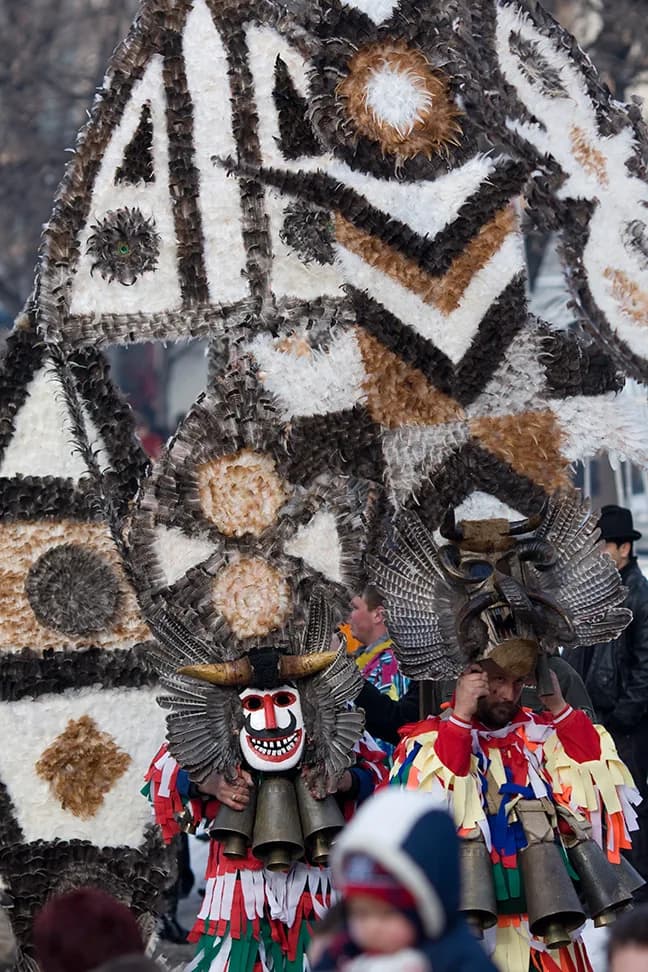
Masked kukeri rituals drive away evil in winter festivals such as Surva in the Pernik region (watch the bonfire opening). On 1 March, people exchange red-and-white martenitsi for health and the coming spring. They later tie them to a blossoming tree after seeing a stork or another sign of spring.
Easter and St George’s Day
At Orthodox Easter, people dye eggs, eat sweet kozunak, attend midnight services, and exchange the greeting Христос воскресе! St George’s Day falls on 6 May. It is a major name day linked with shepherding, spring, and roast lamb.
Letters, roses, and graduation
24 May celebrates Bulgarian education, culture, and the Slavonic script. Rose Valley festivals accompany the rose harvest around Kazanlak, while school graduates mark the end of secondary school with formal clothes, decorated cars, and large parties.
Wine, name days, and Christmas
Autumn includes harvest and wine traditions, followed by many name days. Christmas Eve is traditionally meatless and family-centred. Christmas and New Year are times for large meals, visits, and regional customs.
Some festival performances continue a local community custom, while others are staged for visitors. Ask about the local meaning before assuming one costume or ritual represents the whole country.
Around the table
Food, drink, and toasts
Meals are social and often last a long time. A toast of Наздраве!, literally “to health”, often accompanies rakia, wine, or any shared drink. Make eye contact, touch glasses gently, and follow the pace of the other guests.
Never feel obliged to drink alcohol. A clear, friendly refusal is enough, and you can join a toast with a nonalcoholic drink.
Learn the words you are most likely to need with the essential Bulgarian phrases guide, then explore the full Bulgarian food guide.
Folk and contemporary culture
Folk and contemporary culture
Uneven rhythms, close-harmony singing, the gaida bagpipe, and group horo dances are well-known parts of Bulgarian culture. Modern Bulgarian culture also includes jazz, hip-hop, electronic music, theatre, film, design, and books read around the world.
- Horo as a social danceAt weddings and celebrations, a line or circle dance may gather experts and beginners. Join at the end, watch the feet, and accept that getting lost is part of learning.
- The role of the chitalishteThese local community cultural centres run libraries, rehearsals, language classes, music, dance, and theatre, especially outside the largest cities.
- Regional craftsEmbroidery, pottery, carving, weaving, and costume motifs vary by region. Buy from makers when you can and avoid claims that one pattern represents the entire country.
- Contemporary Bulgarian cultureRead authors such as Georgi Gospodinov, visit small galleries and cinemas, and check current city programmes. Ethnographic museums show only one part of Bulgarian culture.
Education and national culture
School, education, and 24 May
Education has national and practical importance in Bulgaria. Public events on 24 May focus on teachers, books, literacy, and the Cyrillic script.
The meaning of 24 May
On the Day of Saints Cyril and Methodius, schoolchildren and teachers take part in public parades and performances. Flowers, books, and the Cyrillic alphabet appear throughout the celebrations.
Respect for teachers
People may complain about schools while still speaking warmly about a particular teacher. Former teachers, school reunions, and class memories can matter decades after graduation.
Public graduation celebrations
School-leavers may dress up, decorate cars, honk through town, gather in restaurants, and celebrate loudly. The celebrations mark their passage out of secondary school.
University cities
Sofia, Plovdiv, Veliko Tarnovo, Blagoevgrad, Varna, and other university cities have social rhythms built around students. Local life can change sharply between term time and summer.
Debates about education
People debate outdated curricula, private tutoring, emigration, unequal schools, and the employment value of degrees. Trust in schools and universities varies.
Weekend trips and family villas
Mountains, villas, and the Bulgarian weekend
Many city residents spend weekends in a family village, on a mountain trail, at a ski slope, or near a mineral pool. Others go to a small country house known as вилата. Heavy traffic leaving Sofia on Friday evenings shows how common these trips are.
- Simple family villasMany family villas are simple houses with a garden, a cellar of preserves, a wood stove, and ongoing repair projects.
- Food for the weekendCars leave the city with groceries and return with tomatoes, peppers, fruit, eggs, wine, or preserved food from relatives.
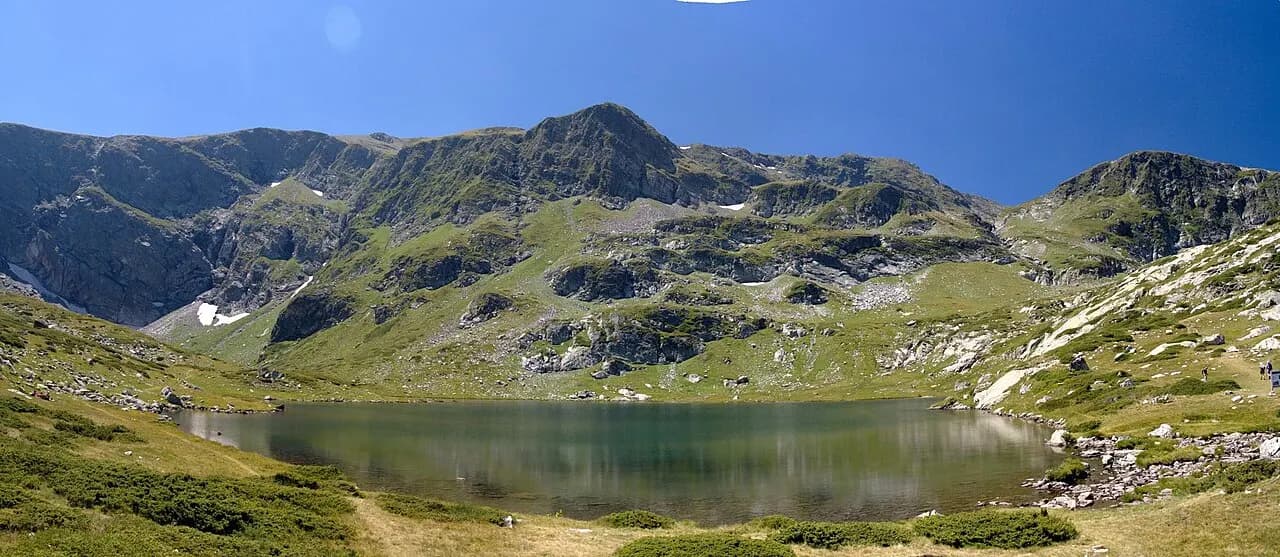
The mountains and landscapes guide explains where to go and what to check before your first trip. The Seven Rila Lakes make a classic first hike.
Music in Bulgaria
Bulgarian music and listening habits
Bulgarian listening habits include village folk music, socialist-era estrada, pop, rock, hip-hop, jazz, electronic music, and chalga. Several of these genres may appear at the same wedding.
Folk and choral music
Horo rhythms, gaida bagpipes, regional singing, and close-harmony choirs often represent Bulgaria at festivals and performances abroad. Listening habits at home vary by age, region, and personal taste.
Estrada and pop classics
Several generations grew up listening to Lili Ivanova, Vasil Naydenov, Bogdana Karadocheva, and other estrada singers. Lili Ivanova has national-icon status, although preferences vary widely.
Pop-folk, or chalga
Azis, Preslava, Galena, Toni Storaro, and many others are among Bulgaria’s most popular performers. Their public images are often designed to shock. Chalga is common at weddings and nightclubs and on taxi radios, but opinions about it remain sharply divided.
Rock and alternative
Names such as Shturtsite, BTR, D2, Signal, and Ostava matter to different generations of rock listeners. Bulgarian rock has loyal audiences and familiar anthems, but there is no single band that unites every age group.
Contemporary pop and hip-hop
Grafa, Maria Ilieva, Mihaela Fileva, DARA, Krisko, 100 Kila, and newer artists are heard on radio, streaming services, and festival stages. A song may be popular for one summer without becoming a national classic.
Jazz, fusion, and the experimental edge
Theodosii Spassov, Kottarashky, Oratnitza, the Vladigerov tradition, and younger jazz and electronic musicians have audiences inside and outside Bulgaria. Most remain outside the mass market.
A person may respect folk music at a national celebration, prefer estrada at home, and dance to chalga at a wedding. Knowing an artist does not mean liking their music.
Sports in Bulgaria
Sport, football, and national memory
Football club rivalries attract the most attention. Bulgaria also has successful athletes and well-known teams in volleyball, rhythmic gymnastics, wrestling, weightlifting, tennis, and winter sports.
Football club loyalty
Levski and CSKA dominate the best-known Sofia rivalry. Botev and Lokomotiv divide Plovdiv, and regional clubs carry histories tied closely to their cities.
The 1994 World Cup
Bulgaria’s run to the 1994 World Cup semifinal remains a shared sporting memory. Hristo Stoichkov is the name most visitors should know.
Read the atmosphere
Derbies can involve heavy police presence, pyrotechnics, and groups looking for confrontation. Neutral colours and distance from organised supporters are sensible choices.
Bulgarian success beyond football
Volleyball matches, Olympic weightlifting, rhythmic gymnastics, and individual tennis stars can briefly command the whole country’s attention.
Check fixtures, or match dates, and official announcements through the Bulgarian Football Union, then buy tickets from the club or an authorised seller.
Film and television
Bulgarian movies and television
Older films, successful Bulgarian series, imported reality formats, and international streaming services reach different audiences. Age and household often determine which references are familiar.
Classic films people quote
Козият рог (The Goat Horn), Вчера (Yesterday), and comedies associated with actors such as Todor Kolev remain common sources of quotations and references. Younger viewers may recognise the titles without sharing their parents’ enthusiasm.
Contemporary Bulgarian cinema
Посоки (Directions), Слава (Glory), Бащата (The Father), Уроците на Блага (Blaga’s Lessons), and Триумф (Triumph) have reached festival audiences beyond Bulgaria. Their domestic audiences vary.
Под прикритие (Undercover)
The crime series Undercover became one of Bulgaria’s most widely recognised television exports. Its characters, actors, and catchphrases remain familiar to many former viewers.
Imported television formats
The Voice of Bulgaria, Bulgaria’s Got Talent, Big Brother, Survivor, and cooking competitions are widely discussed while they are on air. Their large audiences do not represent the viewing habits of the whole country.
Comedy and nostalgic favourites
Older Bulgarian comedies, theatre actors, and television sketches can be instantly familiar to someone’s parents and completely unknown to a younger Sofia audience. Ask who is being quoted before assuming the reference is universal.
Separate streaming audiences
National broadcasters share attention with YouTube, Netflix, Max, foreign reality shows, and short-form video. As a result, popular programmes may be familiar within one age group or social circle and unknown in another.
Undercover is a widely recognised modern television title, while The Goat Horn is established in the film canon. Recognition and personal enthusiasm still vary by age, region, and viewing habits.
Nightlife
Late-night schedules
Sofia, Plovdiv, Varna, Burgas, and the resort towns each have different scenes. Bulgarian nightlife ranges from quiet wine bars and live music to student clubs, chalga venues, beach parties, and very late restaurant tables.
Going to clubs in groups
Many clubs organise nights around reserved tables, bottle service, and large friend groups. Smaller bars and live venues are more suitable for moving between places without reservations.
Chalga in nightlife
Pop-folk clubs can be central to a night out, especially in some regions and resort settings. The genre attracts fierce arguments about taste, class, gender, and identity.
Summer nightlife at the coast
Sunny Beach, Golden Sands, Sozopol, and other coastal places can become much louder, more international, and more expensive in season. The winter version of the same town may feel almost unrelated.
Bulgarian artists
Artists famous in Bulgaria
“Artist” in Bulgarian conversation often means a visual artist, while actors, musicians, writers, and performers have their own categories. These names are useful starting points, not a complete national canon.
Zahari Zograf
A leading painter of icons during the National Revival. He also brought more personal and non-religious subjects into nineteenth-century Bulgarian art.
Ivan Milev
An important modern painter known for decorative and symbolic images. His work drew on folklore, literature, and early twentieth-century Bulgarian design.
Vladimir Dimitrov, Maystora
“The Master” is one of Bulgaria’s best-known painters. He is known for bright portraits, scenes of rural life, and idealised landscapes.
Zlatyu Boyadzhiev
Known for expressive village scenes and a distinctive late style, he is a major figure in the story Bulgarians tell about national painting.
Christo
Born Hristo Yavashev in Gabrovo, Christo became the internationally famous wrapping and installation artist. Bulgaria claims him with pride, although his career and artistic life were built abroad.
Nedko Solakov and contemporary art
Solakov, artists linked to the Institute for Contemporary Art, and younger artists are part of Bulgaria’s broad contemporary art scene. Sofia has many galleries showing both established and new artists.
Artists of the screen and stage
Actors such as Stefan Danailov, Tatyana Lolova, Stoyanka Mutafova, and Todor Kolev are widely known, including by people with little interest in art galleries.
Recognition in Bulgaria
Some artists are taught in school, some are family favourites, and others are better known internationally than within Bulgaria. Recognition varies by age, education, and personal taste.