Choosing a base
Where should a first visit begin?
Start in Sofia for the widest range of museums and transport links, or Plovdiv for a compact centre with Roman sites. From either city, add a day trip to a mountain or monastery.
A week can combine two cities and one major day trip without turning the country into a checklist. With more time, choose a direction: northwest for Belogradchik, south for the Rhodopes and Pirin, east for Veliko Tarnovo and the Black Sea.
A greeting and thank-you are useful in shops, stations, and villages. Save the essential Bulgarian phrases before you go.
Start with your priorities
Which Bulgarian city fits you?
Sofia has the largest job market and the most international connections. Plovdiv has a compact centre and an active arts programme. Varna and Burgas provide year-round city services on the coast. Smaller university cities often have lower rents but fewer services.
For moving or studying, the practical resources directory covers housing, universities, jobs, transport, and paperwork. Use the route-planning section below to connect a city with day trips.
Sofia is about 550 metres above sea level, which makes it one of Europe’s highest capitals. Warm mineral water still flows in the city centre. Varna’s Archaeological Museum displays the oldest worked gold ever found. It came from the Varna Necropolis, an ancient burial ground more than six thousand years old.
The capital
Sofia
Sofia
- Famous for
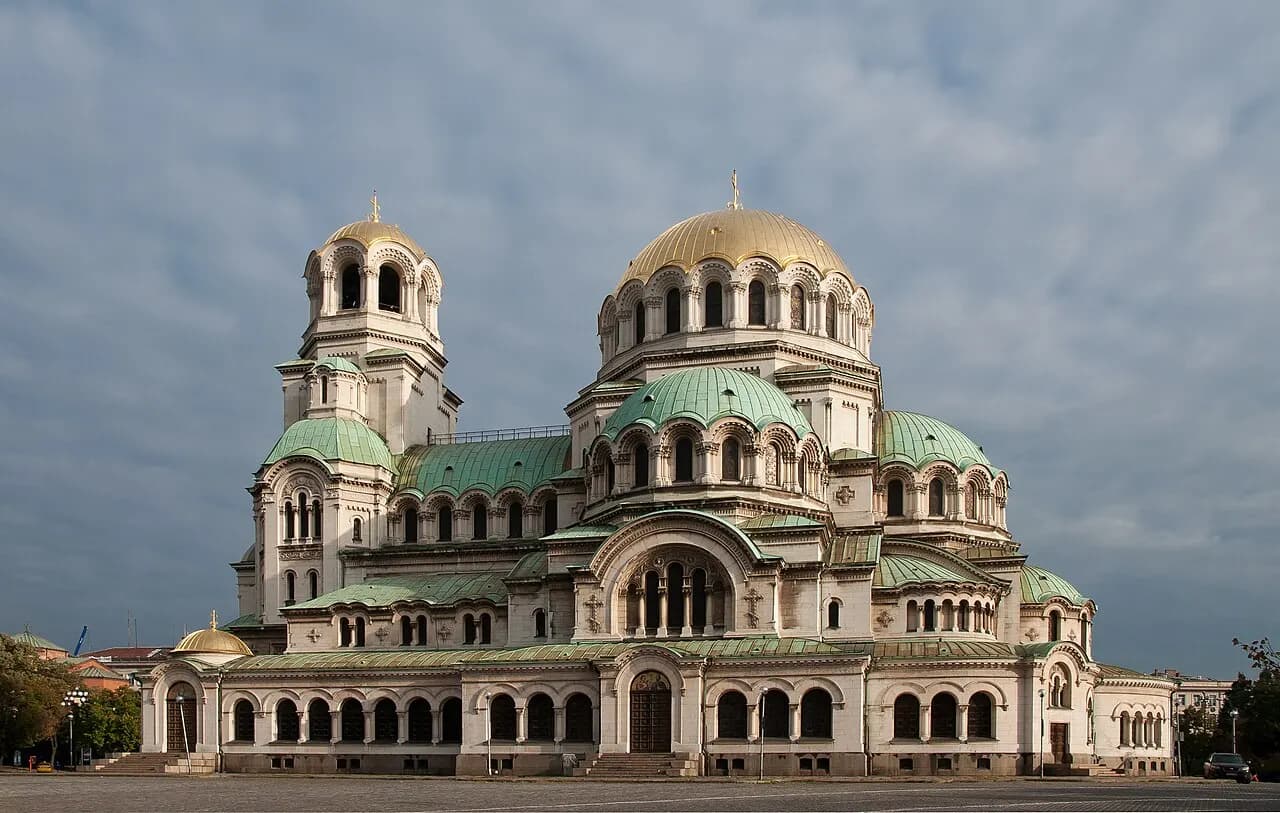
- Alexander Nevsky Cathedral, Vitosha mountain, mineral springs, and sites from Sofia’s Roman, Ottoman, royal, socialist, and modern periods.
- What is there
- See the Roman remains of Serdica, the National Archaeological Museum, Boyana Church, and the old central mineral baths. The city also has many galleries, theatres, parks, and varied neighbourhoods.
- What to do
- Walk through the centre with its yellow paving stones, then take the metro to other areas. You can also hike or ski on Vitosha, visit a market, and spend an evening around Shishman Street or Oborishte.
- Good to know
- Sofia has Bulgaria’s largest job and university market, but also its highest rents. Traffic and air quality are common problems. The metro is a useful guide when choosing where to live.
Ancient and creative
Plovdiv
Plovdiv
- Famous for
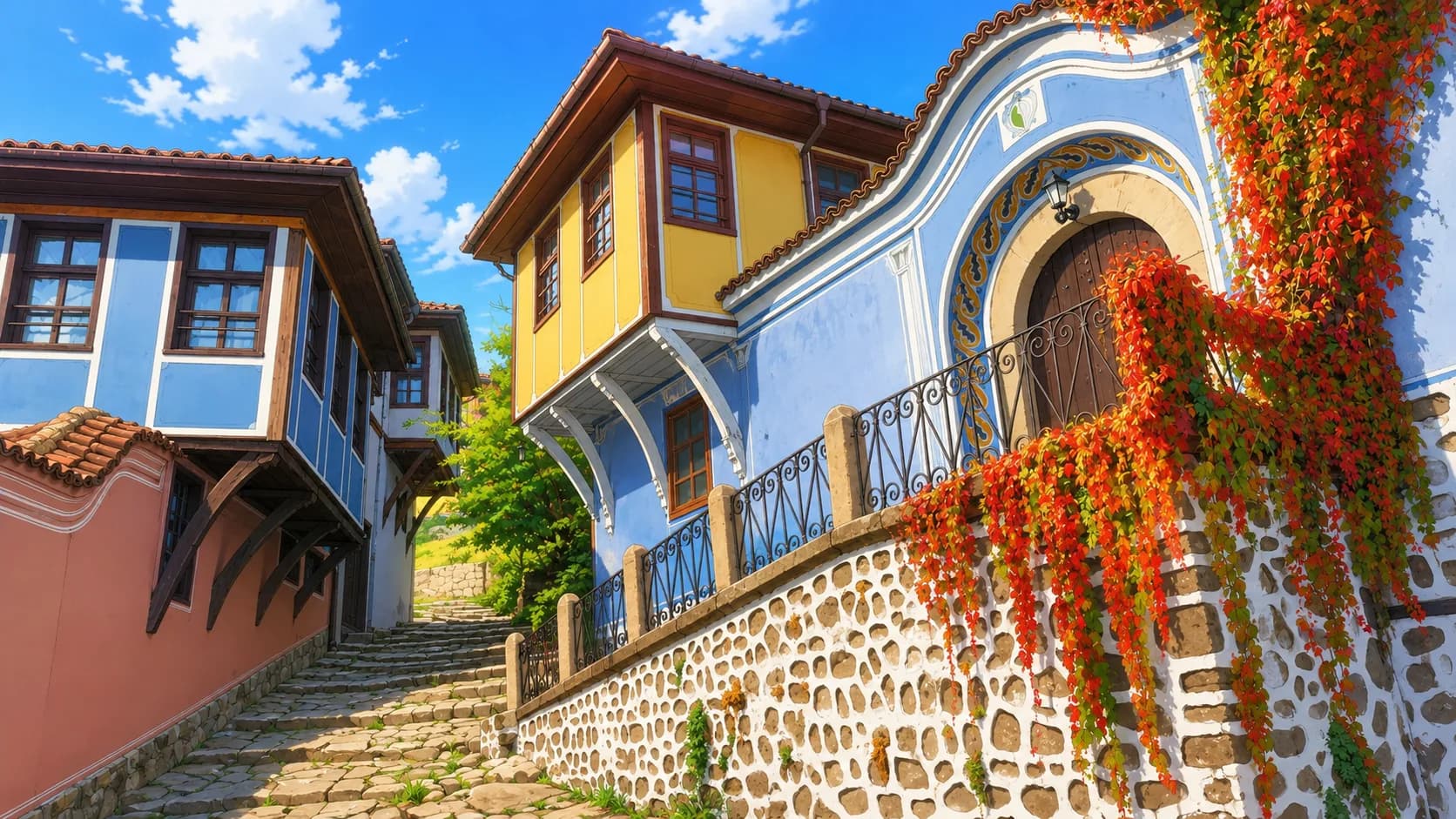
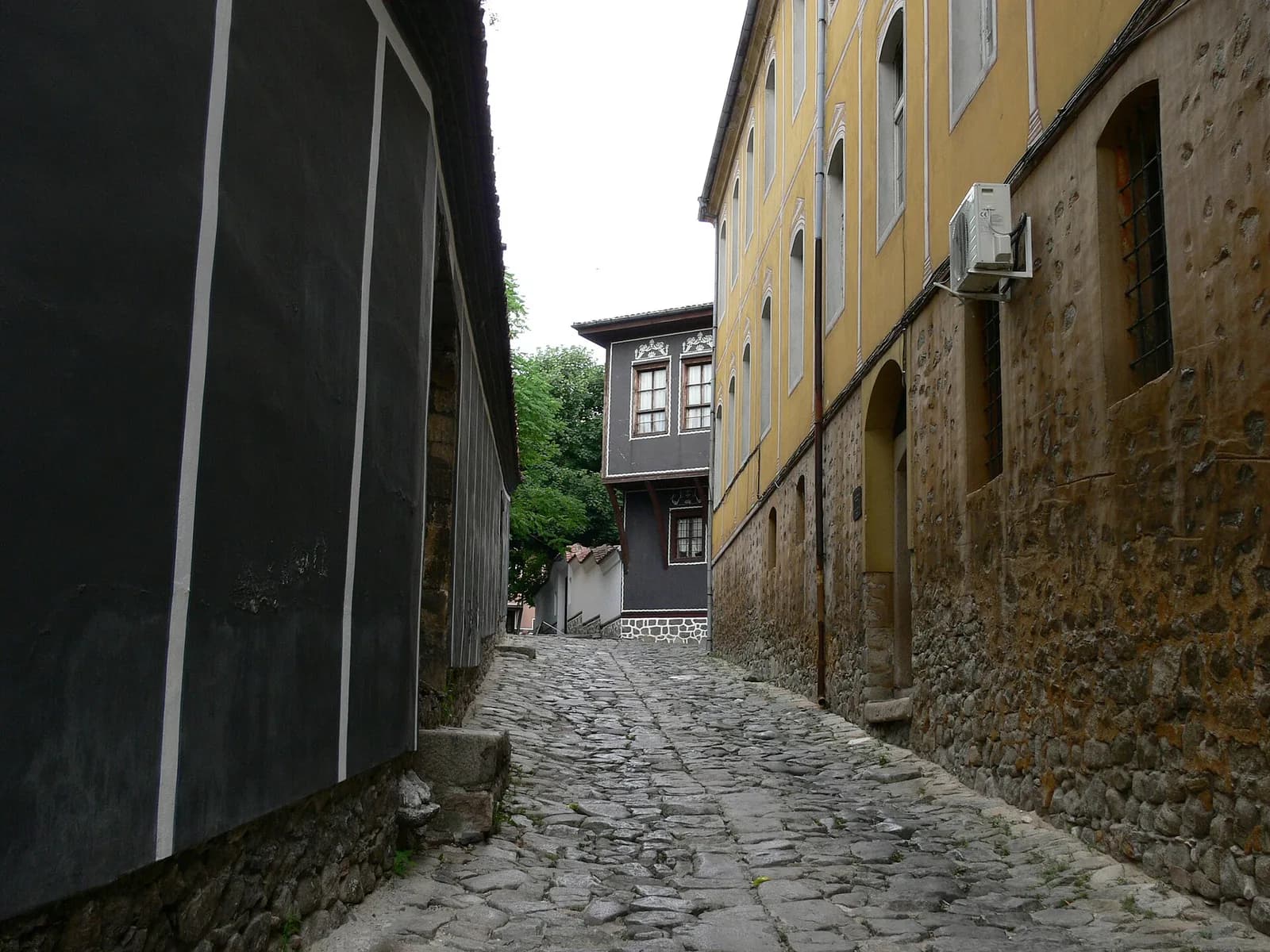
- Its Roman theatre and stadium, colourful National Revival houses, six hills, and Kapana arts district. Plovdiv was a European Capital of Culture in 2019.
- What is there
- The Old Town, Ancient Theatre, Bishop’s Basilica mosaics, Nebet Tepe, regional museums, galleries, and a compact centre made for walking.
- What to do
- Climb a hill for sunset, visit Kapana during the day and evening, and attend a concert in the Roman theatre. From Plovdiv, you can also visit Bachkovo Monastery, Asen’s Fortress, wineries, and the Rhodopes.
- Good to know
- Plovdiv is hot in summer and flatter than Sofia. Its size suits many students and remote workers. Sofia still has more international flights and specialist services.
The Black Sea
Varna and Burgas
Varna
- Famous for
- Bulgaria’s maritime capital, the Sea Garden, Roman baths, and the world’s oldest worked gold at the Archaeological Museum.
- What is there
- The city has a large seafront, museums, universities, a cathedral, and its own beaches. Resorts continue north towards Saints Constantine and Helena and Golden Sands.
- What to do
- Walk or cycle through the Sea Garden, visit the archaeology museum, swim at a city beach, and see the Roman baths. Balchik and Cape Kaliakra are possible day trips.
- Good to know
- Varna works year-round as a port, university centre, and regional capital. Summer traffic and rents rise, while winter is much quieter and windier than holiday advertising suggests.
Burgas
- Famous for
- A long Sea Garden, festivals, salt lakes full of birdlife, and its role as the gateway to Bulgaria’s southern Black Sea coast.
- What is there
- A pedestrian centre, city beach, port area, cultural venues, Atanasovsko Lake, and easy routes toward Sozopol, Nessebar, Pomorie, and Strandzha.
- What to do
- Walk from the centre through the Sea Garden to the pier. In season, visit St Anastasia Island or look for flamingos near the salt lakes. Burgas is also a useful base for coastal day trips.
- Good to know
- Burgas feels calmer and more compact than Varna. Visitor numbers rise sharply in summer, while the airport, port, and regional services operate throughout the year.
Old capitals and river cities
Veliko Tarnovo and Ruse
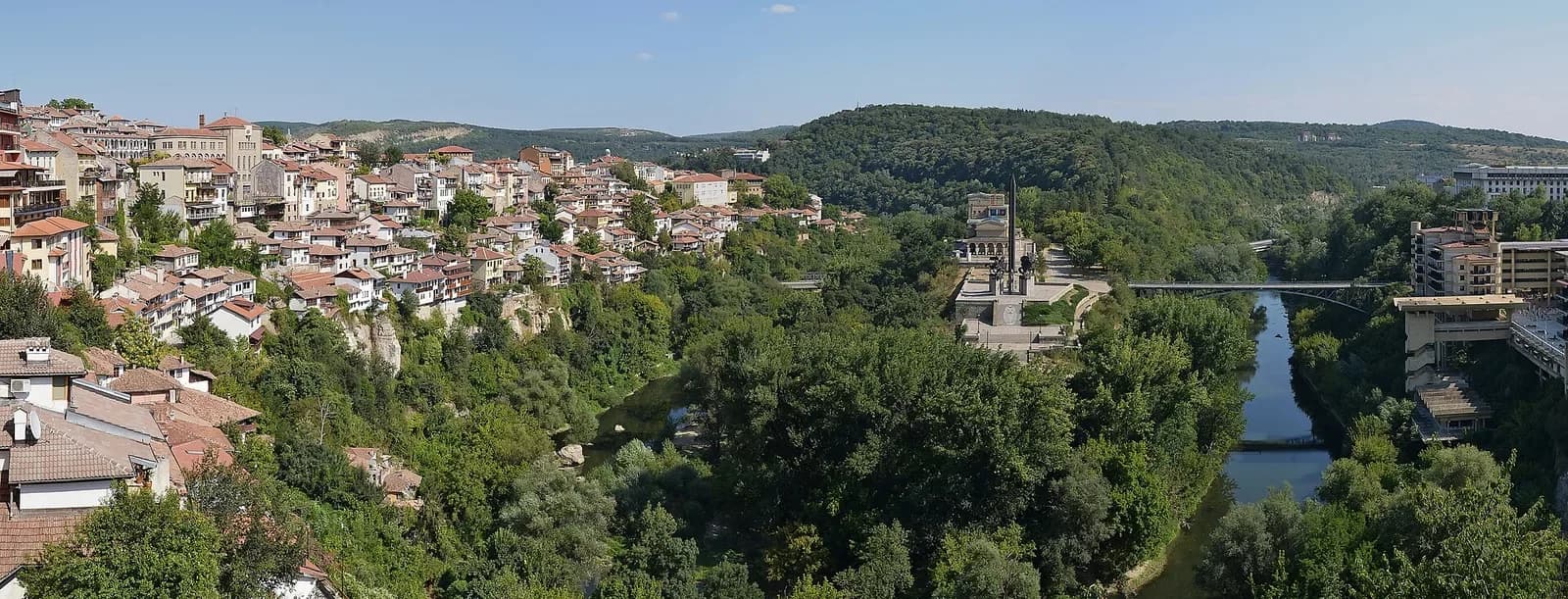
Veliko Tarnovo
- Famous for
- Tsarevets fortress and its dramatic setting as the medieval capital of the Second Bulgarian Empire.
- What is there
- Fortified hills, stacked houses above the Yantra, Samovodska Charshia, museums, the nearby village of Arbanasi, and a major humanities university.
- What to do
- Explore Tsarevets early, walk Gurko Street, browse craft workshops, visit Arbanasi, and watch the fortress sound-and-light show when scheduled.
- Good to know
- The hills and stairs are part of the experience. It is a lively student and tourist city, though the job market is much smaller than Sofia’s.
Ruse
- Famous for
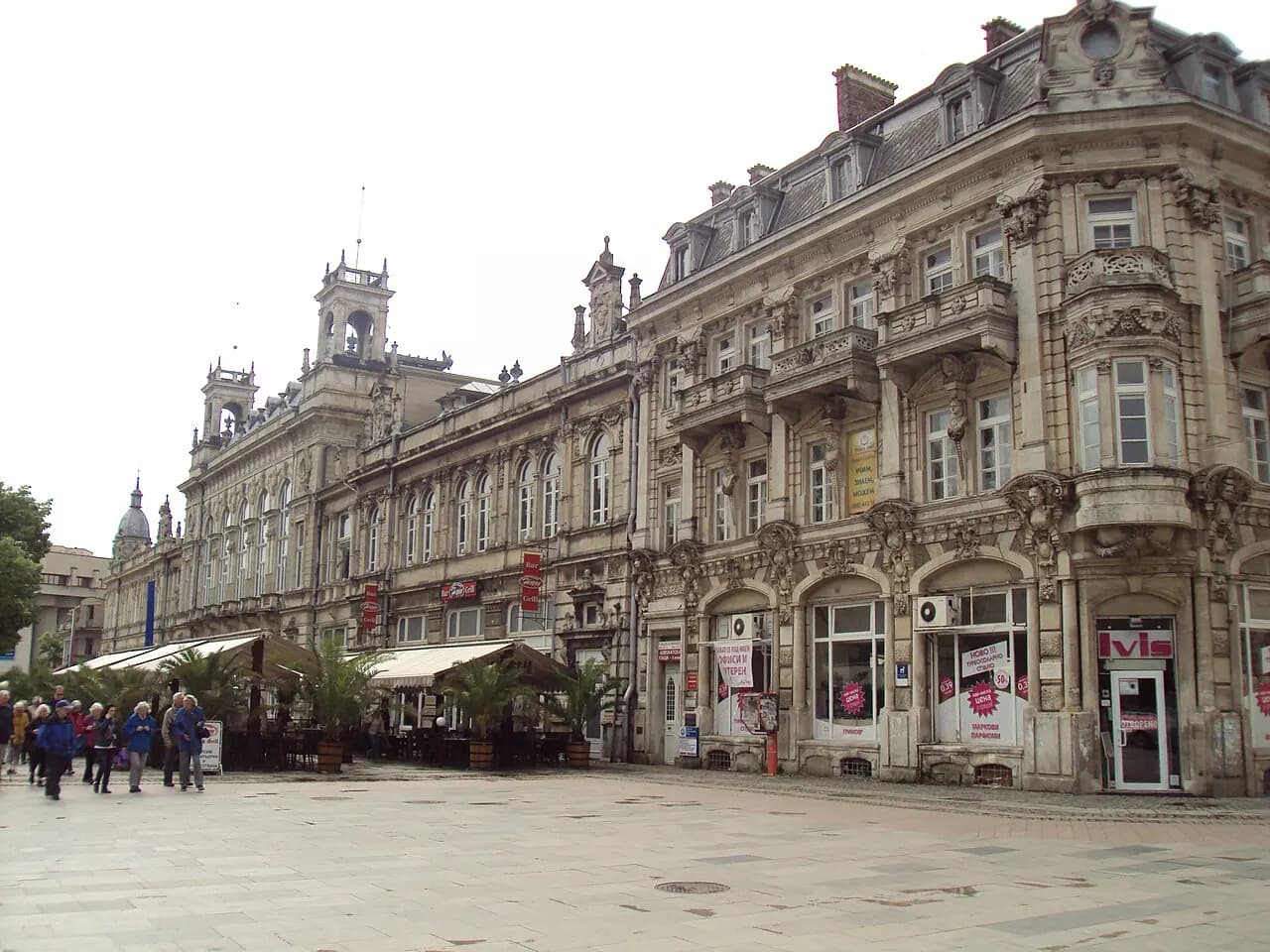
- Grand nineteenth- and early twentieth-century architecture on the Danube, often earning the nickname “Little Vienna.”
- What is there
- Freedom Square, ornate historic buildings, the Regional History Museum, the Pantheon, the riverfront, and the Rock-Hewn Churches of Ivanovo nearby.
- What to do
- Take an architecture walk, visit the museums, watch the Danube traffic, explore Rusenski Lom, and cross toward Bucharest when your route allows.
- Good to know
- Ruse is Bulgaria’s main Danube city and an industrial and logistics centre. Summers are hot, and winters can be foggy. Traffic at the Romanian border can cause delays.
Strong regional centres
Stara Zagora and Blagoevgrad
Stara Zagora
- Famous for
- Straight streets, linden trees, Thracian and Roman heritage, opera, and its position in Bulgaria’s energy and agricultural heartland.
- What is there
- The Roman Forum of Augusta Traiana, Neolithic Dwellings Museum, Regional History Museum, parks, and a city centre rebuilt on a clear grid.
- What to do
- See the preserved Neolithic dwellings, catch an opera performance, walk Ayazmoto Park, and continue toward Kazanlak and the Valley of Roses.
- Good to know
- The city is practical and well connected by rail and motorway. It receives fewer international visitors than its archaeology and cultural life deserve.
Blagoevgrad
- Famous for
- A large student population, the old Varosha quarter, and a strategic location between Sofia, Rila, Pirin, Greece, and North Macedonia.
- What is there
- A pedestrian centre, two major universities, Varosha’s traditional houses, nearby mineral-water towns, and quick access to mountain routes.
- What to do
- Explore Varosha and visit the cafés and bars around the universities. You can hike or ski nearby and plan trips to Rila Monastery, Bansko, Melnik, and Sandanski.
- Good to know
- English is more common around the universities. It is a useful base for southwest Bulgaria, but transport into smaller mountain settlements often requires planning or a car.
Smaller destinations
Bansko, Kazanlak, Melnik, and Shumen
These four smaller destinations offer skiing, rose fields, wine, and sites connected to the beginnings of the Bulgarian state.
Bansko
- Famous for
- Bulgaria’s biggest ski resort, below the marble peaks of Pirin. It has also become a popular base for digital nomads and other remote workers.
- What is there
- The old town has fortified stone houses, built for defence, and traditional mehanas. Above it are Pirin trails and ski lifts. The town hosts several summer festivals, including a jazz festival in August.
- What to do
- Ski or snowboard from December to April, and hike towards Vihren in summer. Traditional mehanas serve slow-cooked food, and several coworking groups welcome longer stays.
- Good to know
- The busiest ski weeks have crowds and long lift queues. Outside winter, the town is calmer and often cheaper.
Kazanlak
- Famous for
- The Valley of Roses and the many Thracian tombs nearby. The painted Tomb of Kazanlak is a UNESCO World Heritage site.
- What is there
- Visitors enter a full-size replica, or copy, of the Thracian Tomb of Kazanlak, which protects the original. Other sights include the Museum of the Rose, rose fields in late May and early June, and the nearby Shipka Memorial Church.
- What to do
- Visit during the Rose Festival or see a working rose field early in the morning. Shipka Pass and the Buzludzha monument can be combined in one day.
- Good to know
- Festival weekends book out early. The rose fields are working farmland, and the flowering season is short, so plan June visits in advance.
Melnik
- Famous for
- Bulgaria’s smallest town by population, set among sandstone hills. The area is known for the Broad-Leaved Melnik vine, a local grape variety, and centuries of wine trade.
- What is there
- National Revival houses stand above the main street, and wine cellars are cut into the rock. The sand pyramids and Rozhen Monastery are nearby.
- What to do
- Taste local wines, walk to the sand pyramids in the late afternoon, and stay overnight to see the town after day visitors leave.
- Good to know
- Melnik is tiny. Pair it with Sandanski, Rupite, or the wider southwest to fill a weekend.
Shumen
- Famous for
- A city at the edge of a plateau, near key sites from early medieval Bulgaria. Pliska, Preslav, and the Madara Rider are all close.
- What is there
- See the large concrete Founders of the Bulgarian State monument above the city, Shumen fortress, and Tombul Mosque. The UNESCO-listed Madara Rider is nearby.
- What to do
- Climb to the Founders monument, visit Bulgaria’s first two capitals, and see the horseman carved high into the Madara cliff.
- Good to know
- Public transport to the historic sites is thin; a car or an arranged taxi makes the day far easier.
The sections below cover monasteries, mountains, caves, and coastal sites that can be added to a city-based route.
Historic places
Monasteries and old towns
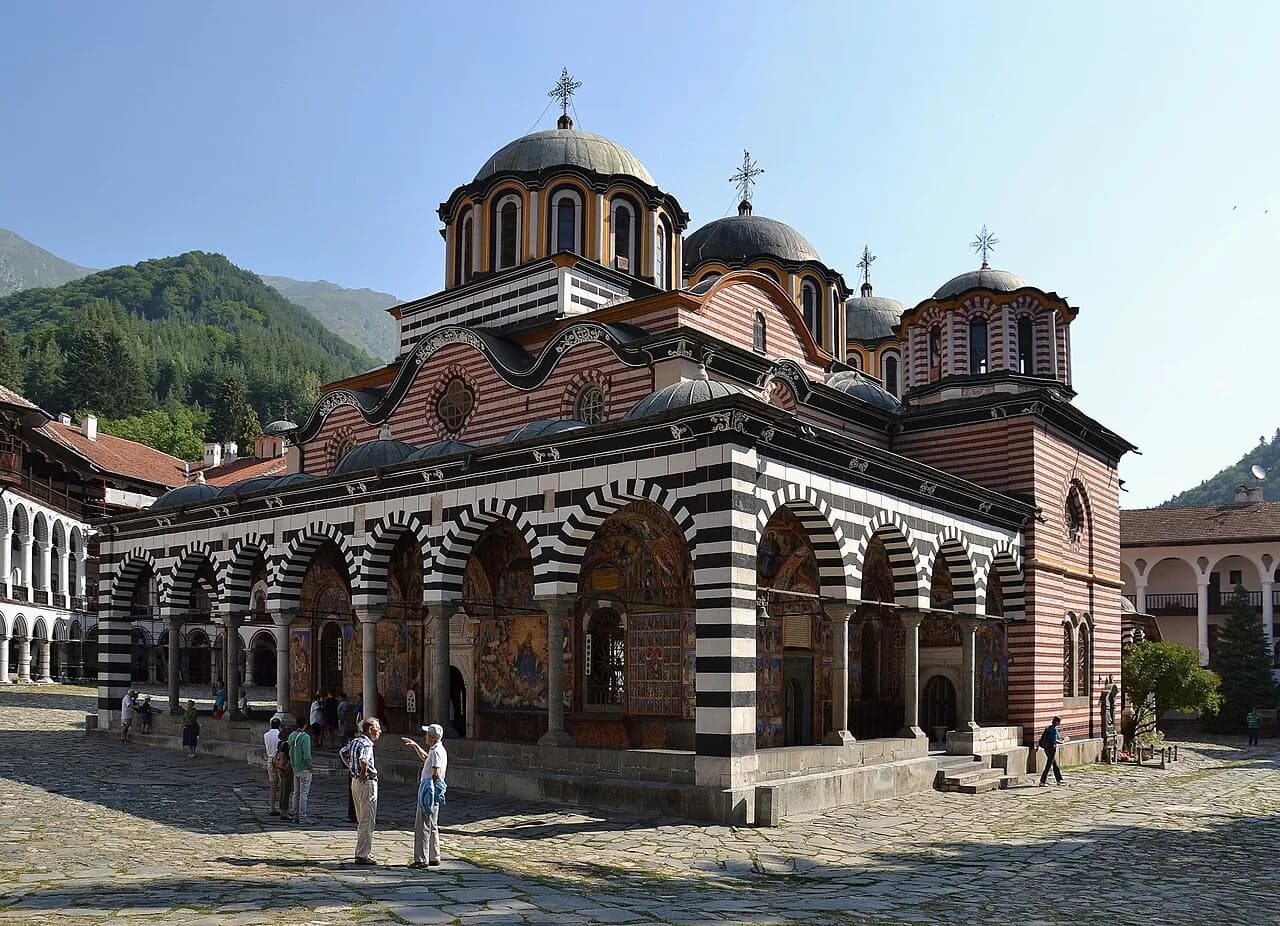
Rila Monastery
Rila Monastery was founded in the tenth century and rebuilt in its present form in the nineteenth. It remains active and is a major site from the Bulgarian National Revival.
Best for · architecture, frescoes, and a mountain day tripOld Nessebar
Nessebar’s small old town stands on a rocky Black Sea peninsula. Ancient ruins, medieval churches, and traditional wooden houses are all within a short walk.
Best for · heritage beside the seaKoprivshtitsa
Bright National Revival houses line cobbled streets in this small mountain town, closely tied to the history of the 1876 April Uprising.
Best for · traditional architecture and an unhurried overnight stay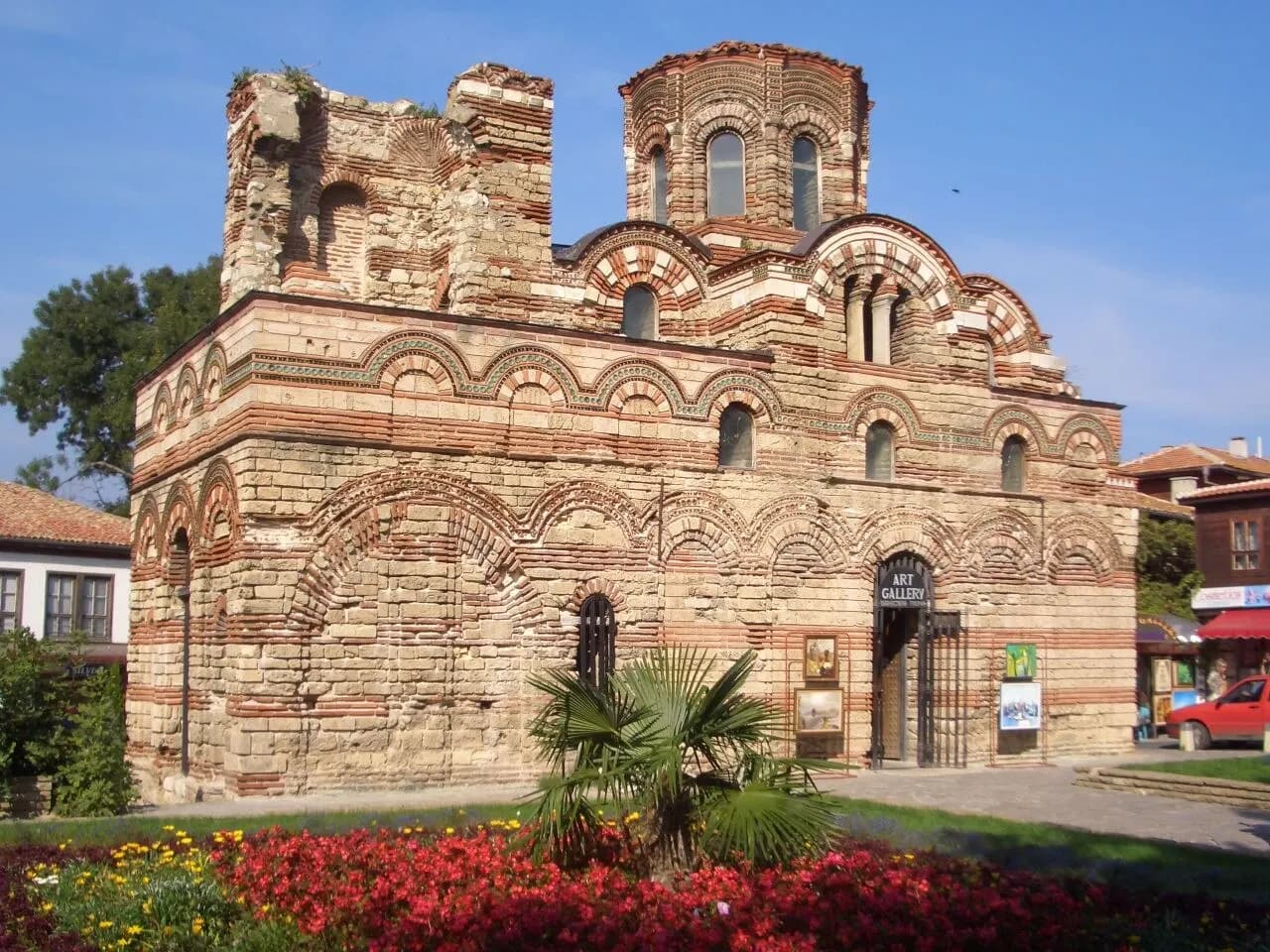
378 kilometres of shoreline
The Black Sea beyond the resorts
Large resorts occupy only part of the coast. Fishing towns, cliff walks, river mouths, and quieter beaches lie between them.
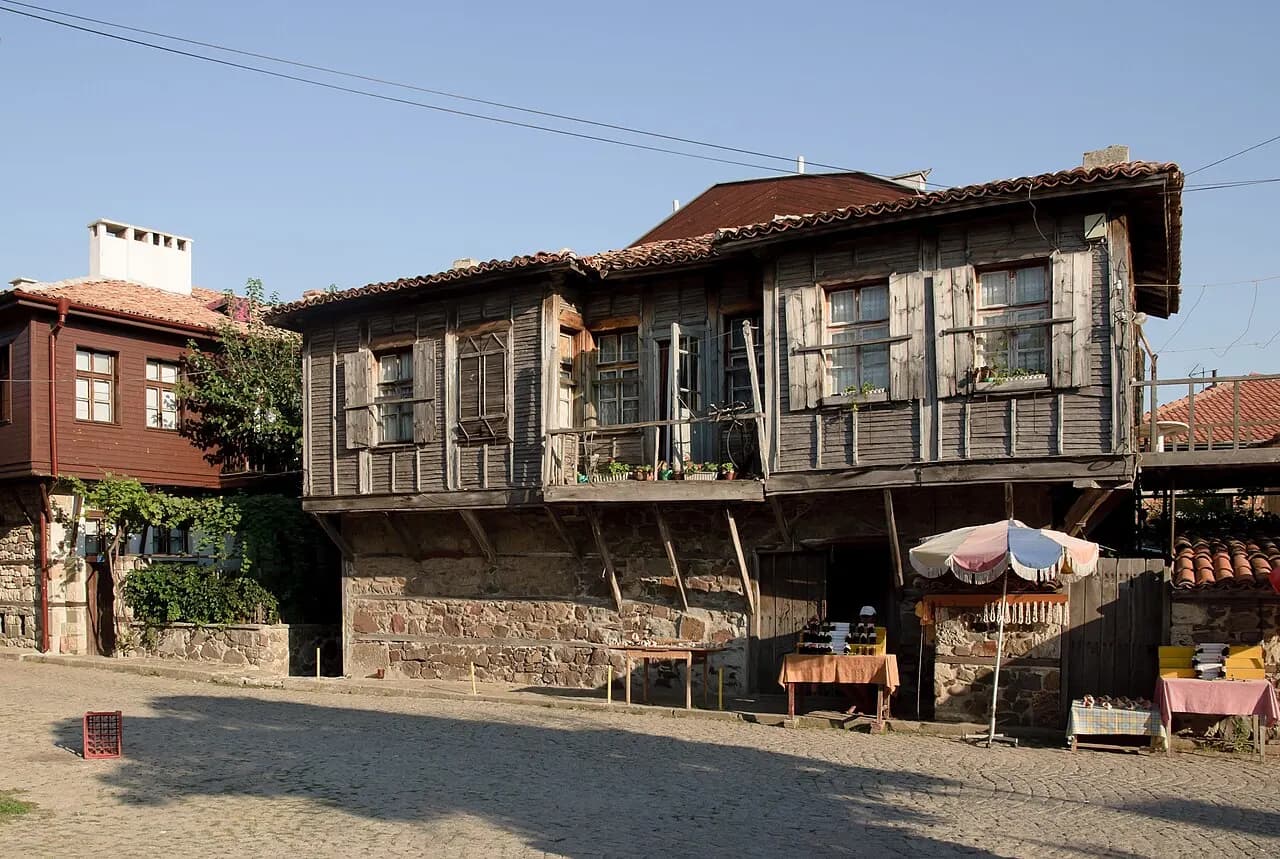
Sozopol
Founded as Greek Apollonia around 610 BC, Sozopol has ancient walls and dark-timber houses on a small peninsula south of Burgas. The Apollonia arts festival takes place there in September.
Best for · old-town evenings, beaches, and late-summer cultureBalchik and Cape Kaliakra
Balchik has a botanical garden and the small seaside palace of Romanian Queen Marie. Farther north, Cape Kaliakra has ruins and red cliffs that rise seventy metres above the sea.
Best for · gardens, cliffs, and a slower northern routeStrandzha and Sinemorets
Bulgaria’s far southeast has oak forests in the Strandzha hills and the Veleka river mouth at Sinemorets. The area has fewer large resorts and crowded beaches.
Best for · wild beaches, birdlife, and escaping the crowdsBeyond the cities
Mountains, lakes, and caves
Belogradchik Rocks
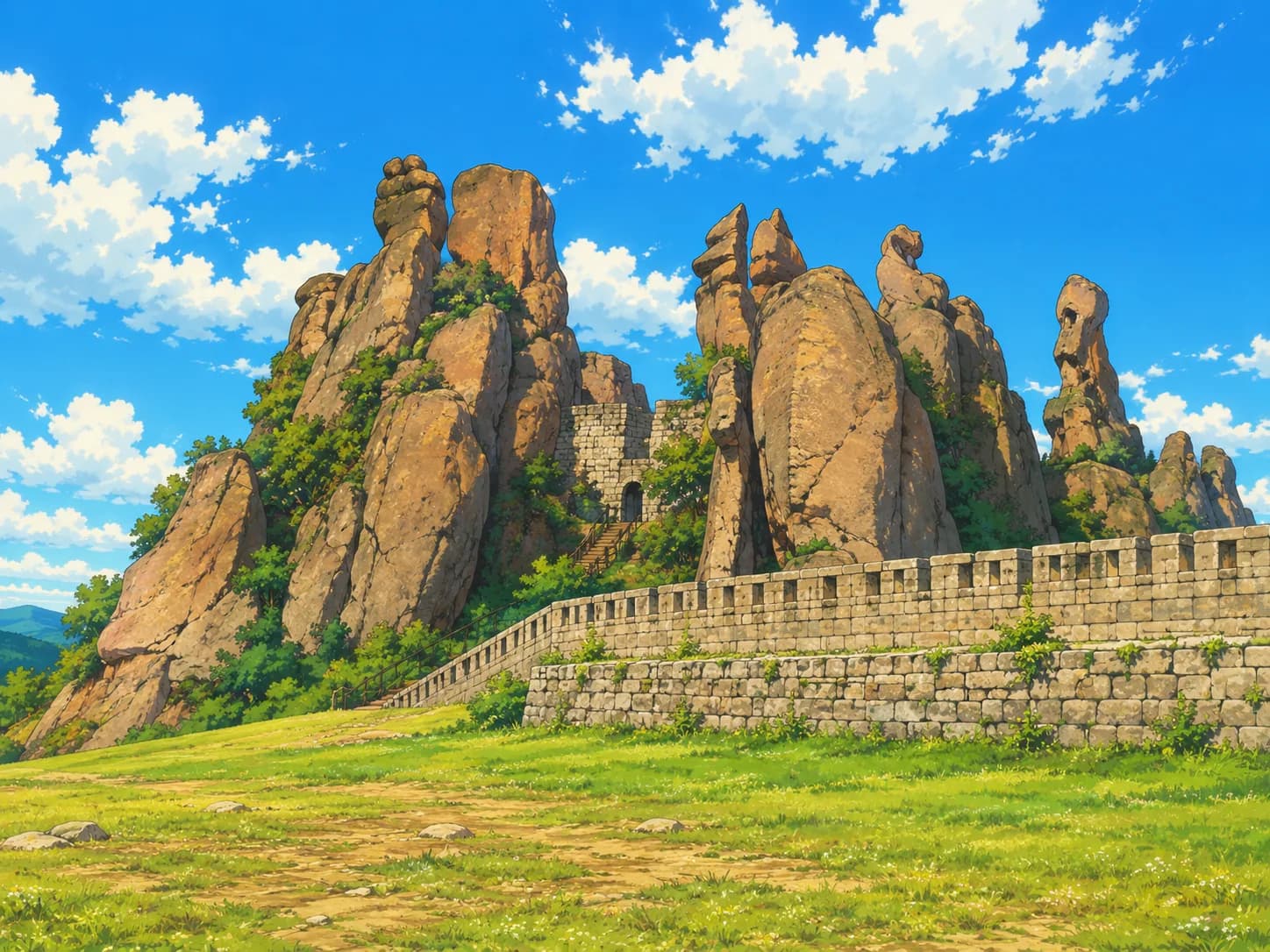
Tall rock towers rise above a historic fortress near Bulgaria’s northwest border. Paths through the fortress provide views across the rocks and the surrounding plain.
Best for · geology, panoramas, and a road tripThe Seven Rila Lakes
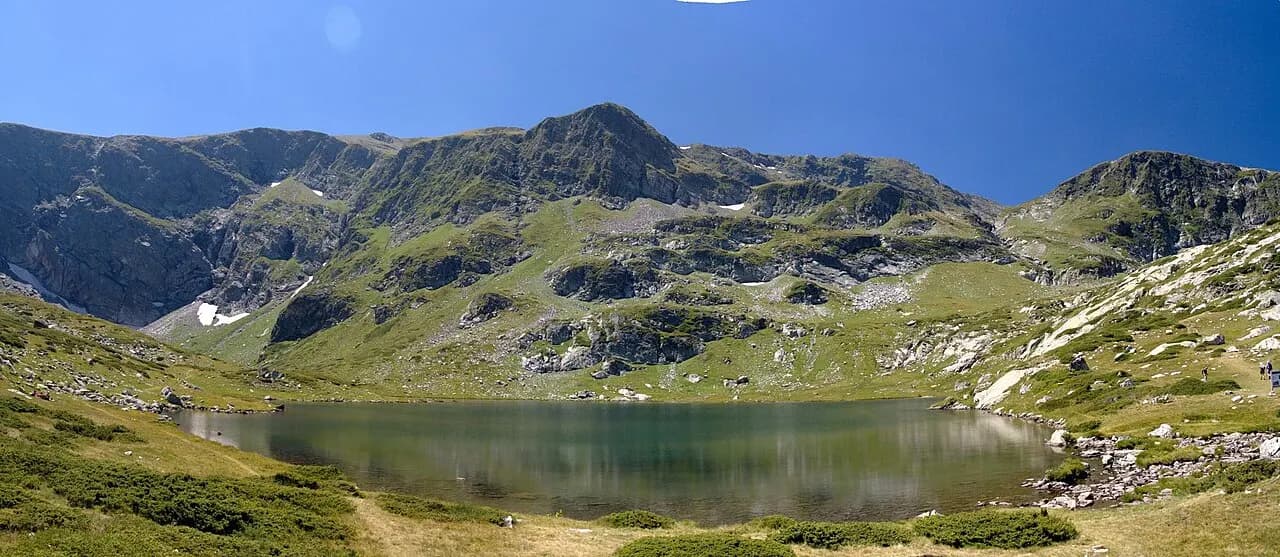
A chairlift and a popular trail link seven glacial lakes between 2,100 and 2,500 metres. Each lake is named for its shape, such as the Eye, the Kidney, and the Tear. Start early because afternoon storms and weekend crowds are common.
Best for · a spectacular first Bulgarian mountain dayThe Rhodopes
The Rhodopes contain forests, rock formations, villages, Trigrad Gorge, and the Devil’s Throat cave. Plan several stops or an overnight stay because the main sites are spread across the region.
Best for · slow travel, village stays, and regional cultureCaves of the north
Three sites near Lovech can be combined in a day by car: the large entrance of Devetashka Cave, the pools and waterfalls at Krushuna, and the two “Eyes of God” openings in Prohodna Cave.
Best for · caves and waterfalls without serious hikingUnusual landmarks
Monuments and geological sites
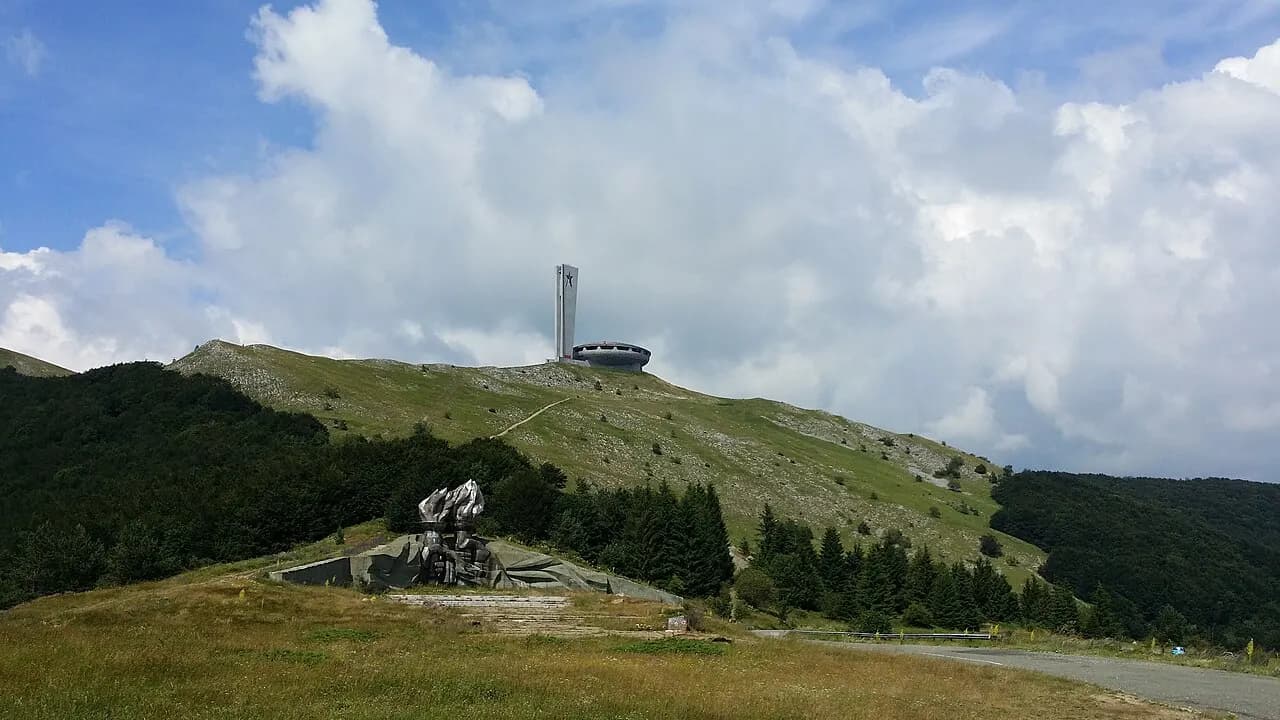
Buzludzha Monument
The communist party’s saucer-shaped memorial house opened in 1981 and was abandoned within a decade. Entry is not allowed while conservation work continues. You can see the exterior from the road and surrounding ridge.
Best for · photographers and modern-history curiosityShipka Pass and Memorial Church
A stone Liberty monument marks the pass where Bulgarian volunteers and Russian soldiers held off Ottoman forces in 1877. The nearby Shipka Memorial Church has gold onion domes.
Best for · history with a view, en route to KazanlakPobiti Kamani
Near Varna, hollow limestone columns up to ten metres tall stand across sandy steppe, an open grassland with few trees. Visitors can walk through this 50-million-year-old “stone forest.”
Best for · an easy geological stop near VarnaRegional routes
Plan your route by region
- 01
Sofia + Rila
Combine the capital with Rila Monastery. Add the Seven Rila Lakes if the weather and trail conditions allow.
- 02
Plovdiv + Rhodopes
Pair ancient urban history with smaller roads, villages, and mountain landscapes.
- 03
Veliko Tarnovo + Black Sea
Move east through medieval history toward Nessebar, Sozopol, and the coast.
- 04
Kazanlak + Shipka + Buzludzha
Visit rose fields and Thracian tombs near Kazanlak, then continue to Shipka Pass and the Buzludzha monument.
Opening hours, transport, trail access, and seasonal conditions can change. Check official local information shortly before travelling, especially for mountain routes and protected heritage interiors.
Before you arrive, read the guide to Bulgarian cultural norms for notes on greetings, hospitality, and everyday etiquette.