

Come hungry
A typical Bulgarian meal
At a relaxed meal, salad may arrive first and remain on the table while people talk and order warm dishes.
Shopska salad or another seasonal salad may stay on the table while small plates, grilled meat, cooked dishes, bread, and drinks arrive. Portions can be large, and people often share dishes even when the menu does not say they are for sharing.
Order a salad first, see how large it is, and then add warm dishes. In a traditional механа, a tavern-style restaurant, the menu can be enormous.
Start at the bakery
Breakfast beyond banitsa
Breakfast is often warm, portable, and savoury. Neighbourhood bakeries serve commuters, pupils, construction crews, and grandparents from the same trays.

Popara
Bread softened with hot milk or tea, butter, and sirene. It tastes like childhood to many Bulgarians.
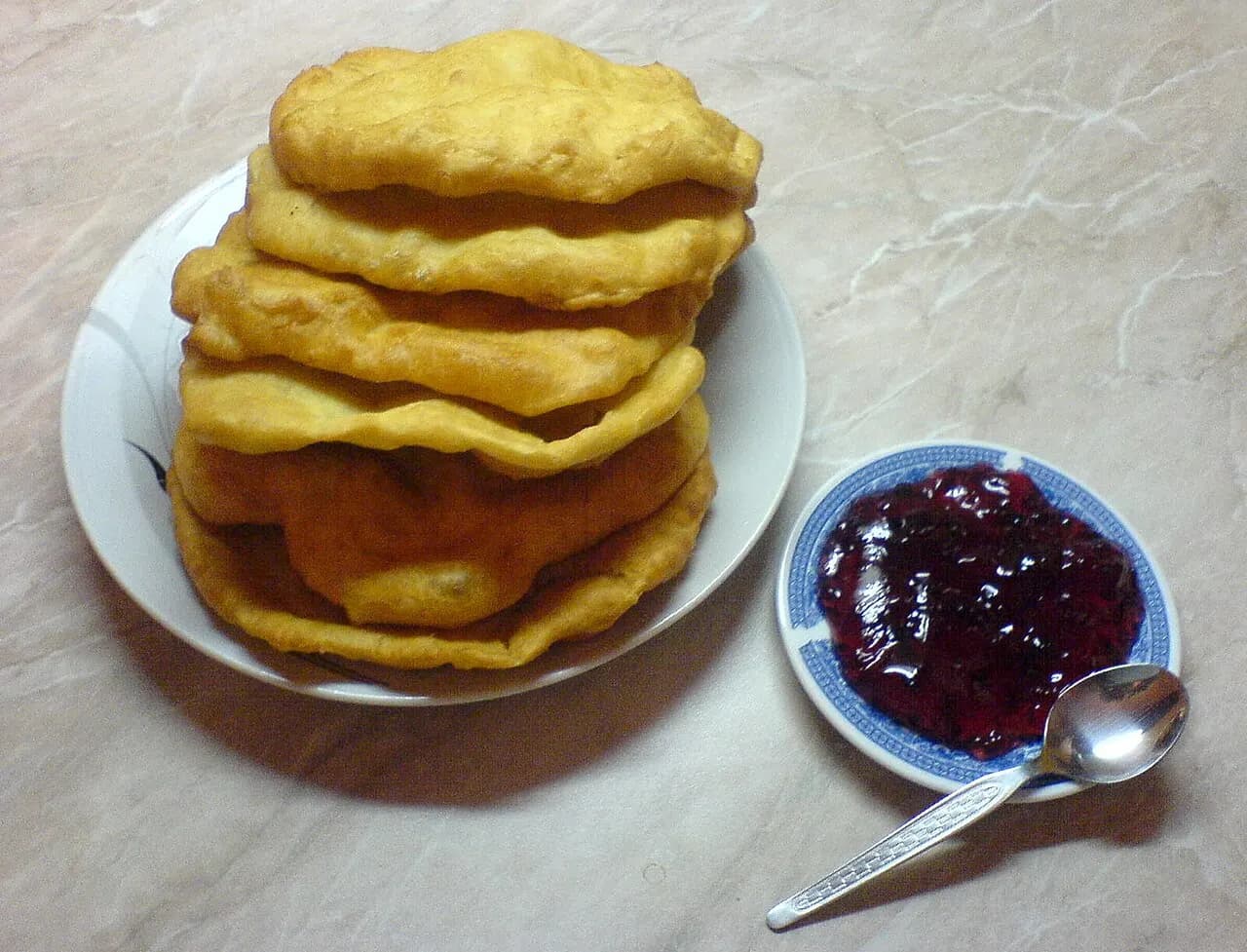
Buhti
Small fried dough pieces served with powdered sugar, jam, honey, or cheese.
Filiya
A thick slice of bread with butter, lyutenitsa, cheese, or homemade jam makes the simplest home breakfast.
Panagyurishte-style eggs
Poached eggs over garlicky yogurt with sirene and warm paprika butter, usually eaten at a table rather than on the run.
Eighteen to know
Essential Bulgarian dishes
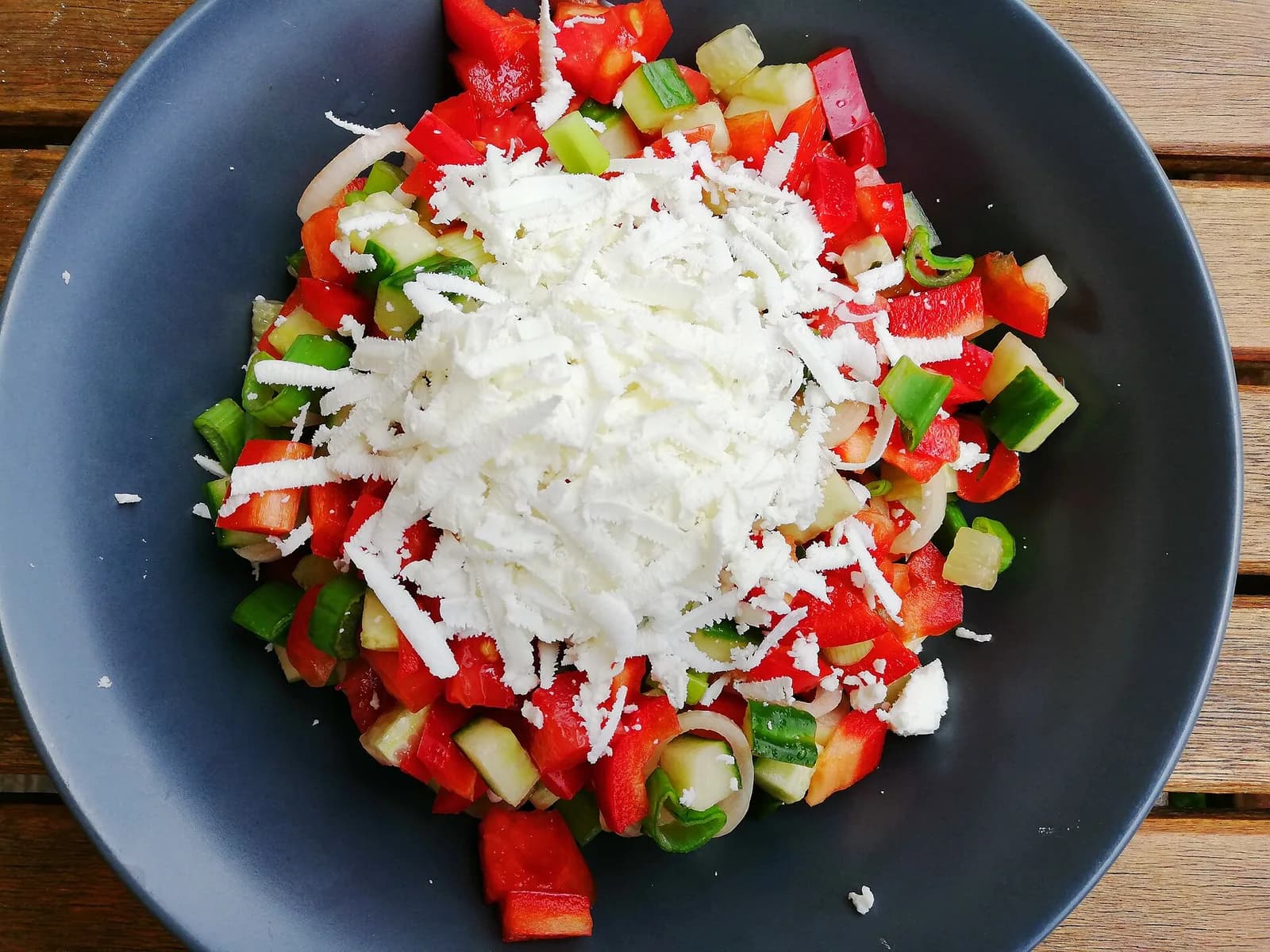
Shopska salad
Tomato, cucumber, peppers, onion, and a snowy layer of grated sirene cheese.
Banitsa
Flaky pastry most often filled with eggs and sirene; a breakfast and bakery staple.
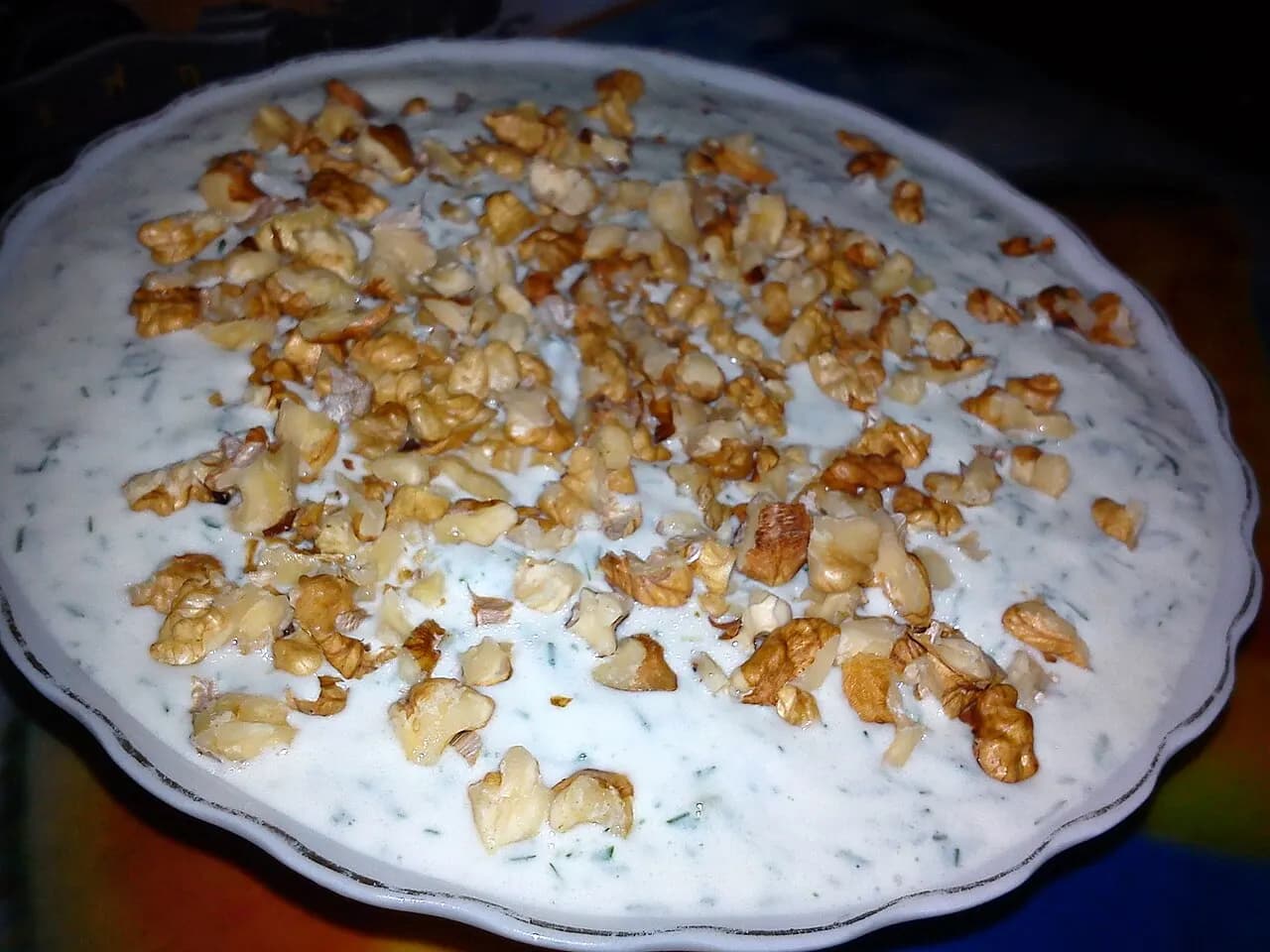
Tarator
Cold yogurt, cucumber, dill, garlic, and walnut soup for hot summer days.
Kebapche
Seasoned grilled minced meat, usually served with fries, salad, or lyutenitsa.
Kyufte
A round grilled meat patty with herbs and onion; recipes vary by cook and region.
Kavarma
Slow-cooked meat, onion, peppers, and spices, often brought to the table in clay.
Sarmi
Vine or cabbage leaves wrapped around rice, sometimes with minced meat.
Bean soup
A comforting bean and vegetable soup; ask whether the pot includes sausage or stock.
Mekitsi
Fried dough eaten with sirene, yogurt, honey, jam, or icing sugar.
Lyutenitsa
A roasted pepper and tomato spread served with bread, meat, or breakfast.
Tikvenik
A rolled pumpkin pastry with walnuts and warm spices, especially in autumn and winter.
Bulgarian yogurt
Tangy yogurt eaten plainly, at breakfast, in soups, and throughout Bulgarian cooking.
Moussaka
Bulgaria’s potato-based take on the Balkan classic, baked with minced meat under a yogurt-and-egg topping.
Mish-mash
A summer scramble of eggs, roasted peppers, tomatoes, and sirene. Household recipes use different proportions.
Stuffed peppers
Peppers filled with minced meat and rice, or beans and rice in the meat-free version, often served with yogurt.
Tripe soup
A strong-smelling soup with milk, garlic, vinegar, and hot pepper. It is Bulgaria’s most famous hangover cure.
Gyuvech
Meat and vegetables baked slowly in the glazed clay dish that gave the recipe its name.
Snezhanka
“Snow White” salad of strained yogurt, cucumber, garlic, and dill, tarator’s thicker cousin.
Soups and slow-cooked dishes
Soups, stews, and clay pots
Everyday Bulgarian cooking includes many soups, bean dishes, and slow-cooked meals. These dishes are more common at home than the mixed grill often shown on tourist menus.
Bean soup
Beans simmered with onion, carrot, tomato, mint, and paprika. Some kitchens add sausage or pork, so ask when ordering.
Tripe soup
A soup often eaten late at night or the following morning, seasoned at the table with garlic vinegar and hot pepper.
Gyuvech
Meat and vegetables cooked slowly in a clay pot. Households and regions use many different recipes.
Kavarma
Pork or chicken cooked with onion, peppers, tomato, and spices, often served bubbling in a small clay dish.
Grilled food
The Bulgarian grill
Grilled food is served at restaurants, roadside stops, football gatherings, village celebrations, and family homes. Alongside minced-meat kebapcheta and kyufteta, menus may include skewers, chops, vegetables, and bread.
- КебапчеThe minced pork mixture is shaped into a cylinder and commonly seasoned with cumin, pepper, and salt.
- КюфтеThe patty often includes onion and parsley. Recipes vary by cook and region.
- Мешана скараA mixed grill can include kebapche, kyufte, sausage, skewer, steak, and garnish. Check the listed weight before ordering.
- Lyutenitsa with grilled foodThis pepper and tomato relish is both sweet and acidic and is served with grilled meat, bread, and fries.
Grilled items may arrive as soon as they are ready. A salad, bread, and one or two items per person often make a better start than the largest platter.
Street food
Street food and bakery culture
A common weekday breakfast is a warm pastry from a neighbourhood bakery. A баничарница specialises in banitsa and usually sells other savoury pastries throughout the morning.
Gevrek
A chewy sesame bread ring sold from bakeries and kiosks, Bulgaria’s answer to the Balkan simit.
Princesa
An open-faced slice of bread spread with seasoned mince or cheese and cooked under a grill.
Kifla
A soft, lightly sweet roll, often swirled around marmalade or chocolate; a school-break classic.
Milinki
Fluffy cheese-studded buns brushed with butter, somewhere between bread and banitsa.
Dyuner
Doner wraps are sold widely near transport hubs, shopping streets, and late-night venues.
Boiled corn
Steaming sweetcorn from summer street carts, especially along the seaside promenades.
On New Year’s Eve many families bake a banitsa with късмети, or fortunes. Each person receives a piece with a wish written on paper, or sometimes a coin or dogwood bud. The item is said to predict their coming year.
Regional cooking
Regional specialities
- RhodopesTry пататник, a potato, onion, and herb dish cooked into a crisp-edged round, plus клин, a local rice-filled pastry.
- Black Sea coastLook for grilled or fried seasonal fish, mussels, and fish soup. Ask what is local before choosing from a seafood menu.
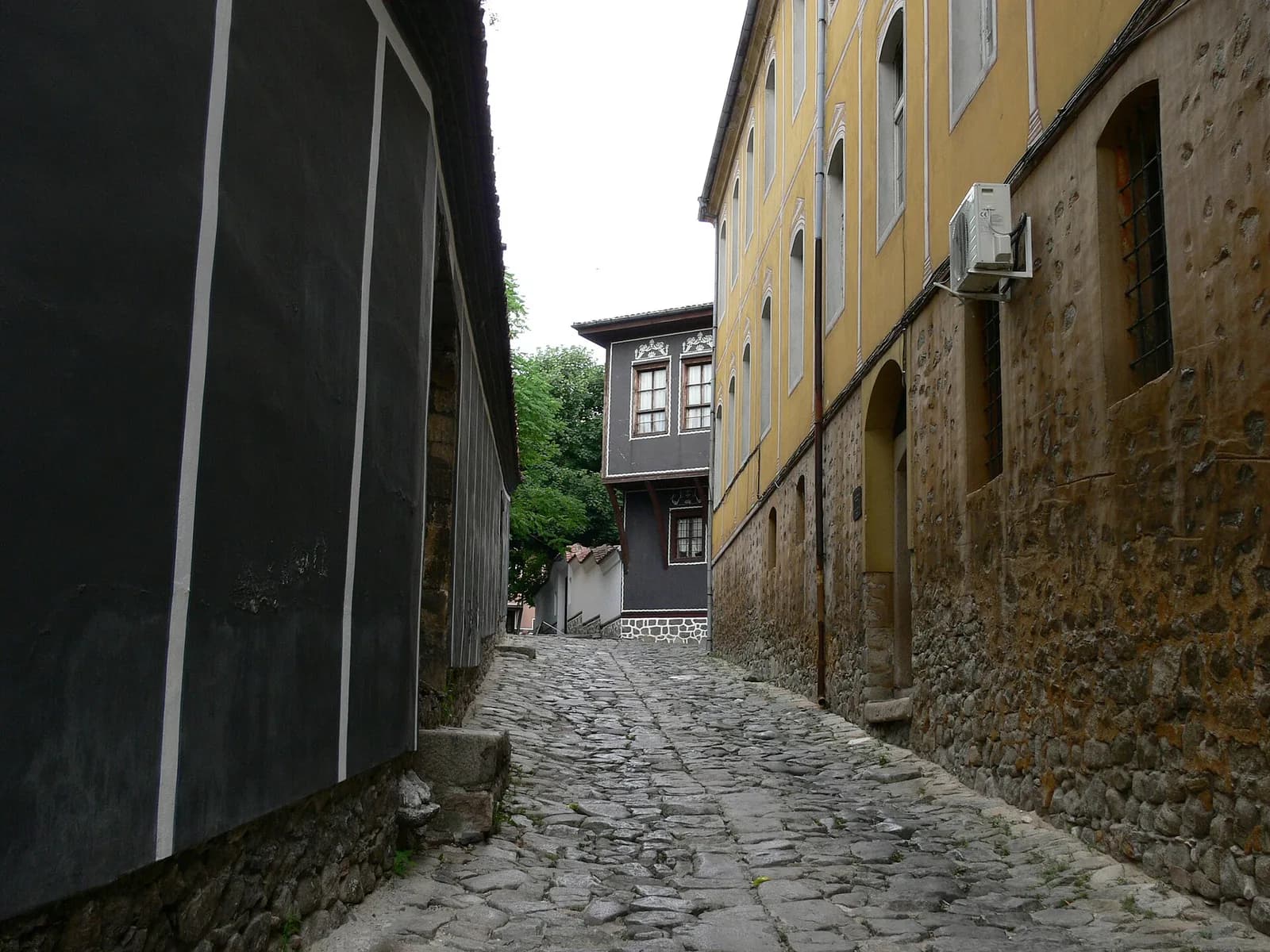
- Thracian lowlandsThe farming area around Plovdiv is known for wine, vegetables, slow-cooked meat, and rich clay-pot dishes.
- North and DanubeFreshwater fish, hearty soups, peppers, and preserved foods appear alongside dishes shared with neighbouring Balkan and Danube traditions.
- Rose ValleySmall amounts of rose are used in sweets, fruit preserves, liqueurs, and modern desserts.
Seasonal shopping
Markets and seasonal produce
Market produce changes clearly with the season. Cherries and strawberries appear in early summer, followed by tomatoes and peppers. Grapes, pumpkins, cabbage, and walnuts are common in autumn.
- 01
Ask how the price works
A sign may quote the kilogram, bunch, tray, or piece. Use Колко струва? before the vendor starts filling a bag.
- 02
Buy seasonal produce
Choose dishes made with produce that is currently in season. The same salad may taste very different at another time of year.
- 03
Look for regional labels
Smilyan beans, Kurtovo Konare peppers, Troyan plums, and Rose Valley products are closely associated with their regions.
- 04
Carry cash and a bag
Small vendors may prefer cash, and a reusable bag makes several produce stalls much easier to manage.
Pair a market morning with the cities and places guide, then use the shopping etiquette notes before your first busy produce hall.
Home preserving
Jars, pickles, and home preserving
Many households preserve peppers, tomatoes, cabbage, and fruit in late summer and autumn. Recipes are often shared within families, and one batch may take several days to make.
Lyutenitsa
Roasted peppers and tomatoes become a smooth or chunky spread, sometimes with aubergine, carrot, or chilli.
Turshiya
Mixed pickled vegetables are crisp and acidic and are commonly served with rakia in winter.
Sour cabbage
Whole fermented cabbages supply leaves for sarma and sharp cabbage for pork dishes through the cold months.
Kompot
Fruit preserved in lightly sweetened liquid turns cherries, peaches, plums, or quinces into a drink and dessert.
If someone gives you a jar from home, return the clean jar when practical. Containers circulate through families for years.
Dairy and drinks
Dairy, wine, and everyday drinks
White brined cheese
Salty sirene is crumbled over salads, baked into banitsa, and served beside vegetables.
Ayran
A cold yogurt-and-water drink that works especially well with pastry or grilled food.
Boza
A thick, lightly fermented grain drink traditionally paired with banitsa; its sweet-sour taste surprises newcomers.
Bulgarian wine deserves attention: Mavrud, Melnik, Gamza, and Rubin are names to remember. Rakia is a strong fruit spirit, commonly grape or plum, served slowly with salad and conversation. Наздраве! means “cheers.” You never have to drink alcohol to participate in the toast.
Leave room for dessert
Sweets and desserts
Bulgarian desserts move between Viennese-style patisserie, Ottoman-era syrup pastries, and home preserves made from whatever the garden produced in excess.
Garash cake
A dense walnut-and-chocolate layer cake created in 1885 by a pastry chef in Ruse, still on almost every dessert menu.
Baklava
Layered filo with walnuts and syrup, shared with the wider Balkan and Ottoman world and firmly at home here.
Tulumbichki
Ridged fried dough soaked in syrup, crisp outside and soft inside. A full bag disappears easily.
Fruit preserves
Whole-fruit preserves, fig, rose, sour cherry, even green walnut, traditionally offered to guests by the spoonful with a glass of cold water.
Rice pudding
Rice cooked in sweetened milk and dusted with cinnamon, commonly served at home and in canteens.
Palachinki
Thin pancakes rolled with jam, honey and walnuts, or chocolate. They are sold for breakfast, dessert, and as a street snack.
Dietary needs
Vegetarian, vegan, and allergy notes
Vegetarian food is easy to find in larger cities and available almost everywhere. A dish that looks meat-free may still contain cheese, egg, butter, meat stock, or a small amount of pork.
- 01
“Vegetarian” may still mean dairy and eggs
Say exactly what you do not eat. Без месо means “without meat”; без млечни продукти means “without dairy products.”
- 02
Confirm what постно means here
Fasting food is normally free from meat and dairy. Recipes and the meaning of the label can vary, so confirm the ingredients when this matters for health or personal reasons.
- 03
Ask about stock and shared grills
Bean soup, stuffed peppers, vegetables, and potatoes may be cooked with animal fat or stock. Cross-contact is possible in small kitchens.
- 04
Carry your allergy in Bulgarian
For a serious allergy, use a written translation naming the ingredient and explaining that even a small amount is dangerous.
Food facts
Five food facts
- 01
Lactobacillus bulgaricus
Lactobacillus bulgaricus, one of the cultures used to make yogurt, was identified in 1905 by the Bulgarian medical student Stamen Grigorov. Claims that real кисело мляко exists only in Bulgaria are common but overstated.
- 02
Bulgaria-branded yogurt in Japan
Meiji launched “Bulgaria Yogurt” after the 1970 Osaka Expo and has official permission to use the country’s name. The product has made Bulgarian yogurt widely known in Japan.
- 03
The twentieth-century origin of Shopska salad
State tourism planners created and promoted Shopska salad in the mid-twentieth century. Its white, green, and red ingredients are now linked with the Bulgarian flag, and the salad became popular across the country.
- 04
Home-distilled rakia
Many households still distil rakia from garden fruit, and some villages have shared stills. A host serving домашна, or homemade rakia, may explain who made it and which fruit was used. Sip slowly.
- 05
Roses in Bulgarian food and perfume
The Rose Valley produces rose oil, and part of the harvest is also used in rose jam, liqueur, and sweets.
Bulgarian-language cooking
Recipe videos in Bulgarian
Once you know the dish names, Bulgarian recipe videos are useful listening practice as well as cooking help. Watch for ingredient names, oven temperatures, and the repeated verbs cooks use every day.
- Zvezdev's KitchenBulgarian Recipes - Zvezdev's Kitchen has Bulgarian-language recipe videos for classic home cooking, seasonal dishes, and practical kitchen vocabulary.
Restaurant basics
Order with confidence
- 01
Check the weight
Menus often list the weight in grams. Use it to compare portion sizes before ordering.
- 02
Ask what is available
Long traditional menus do not guarantee every dish is cooking that day. Seasonal recommendations are often the better choice.
- 03
Read the bill before paying
Bread, sauces, and small side items may be charged separately. Check the itemised bill if something looks unfamiliar.
- 04
Tip for good service
Rounding up or leaving roughly ten percent is common in sit-down restaurants. Check the bill first, then decide what to leave.
Keep Bulgarian restaurant phrases on your phone. The guides to home hospitality and toasts and table culture explain the social side of a meal.