
The short answer
What English speakers can expect
Bulgarian will feel more difficult than a language closely related to English. You do not need a special talent for languages to make progress.
Bulgarian Cyrillic has 30 letters, and most letters have consistent sounds. The main early difficulty is learning to pronounce familiar-looking letters according to Bulgarian rules.
Reading Cyrillic and learning Bulgarian grammar are separate skills. Most learners become comfortable with the alphabet first.
Alphabet and basic grammar
What makes Bulgarian easier?
A compact alphabet
There are only 30 letters, with far fewer spelling surprises than English.
Very few noun cases
Modern Bulgarian has largely lost the case system found in many other Slavic languages.
Readable pronunciation
Bulgarian spelling usually reflects how a word is pronounced.
Bulgarian also places the definite article at the end of a noun: книга means “a book,” while книгата means “the book.” It looks unusual, but the pattern becomes clear with practice.
Difficult features
What takes more work?
- Bulgarian verbs have many formsVerb endings and forms mark person, tense, aspect, and mood. Bulgarian also lacks an infinitive in the English sense.
- Vocabulary is less familiarEnglish speakers get fewer free guesses than they would in French or Spanish.
- Three grammatical gendersNouns are masculine, feminine, or neuter, and nearby words change to agree.
- Fast spoken BulgarianRecognizing a word on paper and catching it in conversation are different skills.
Learn these features gradually while using practical phrases in everyday situations.
Inside the language
Features of Bulgarian
Bulgarian differs from most Slavic languages in several important ways.
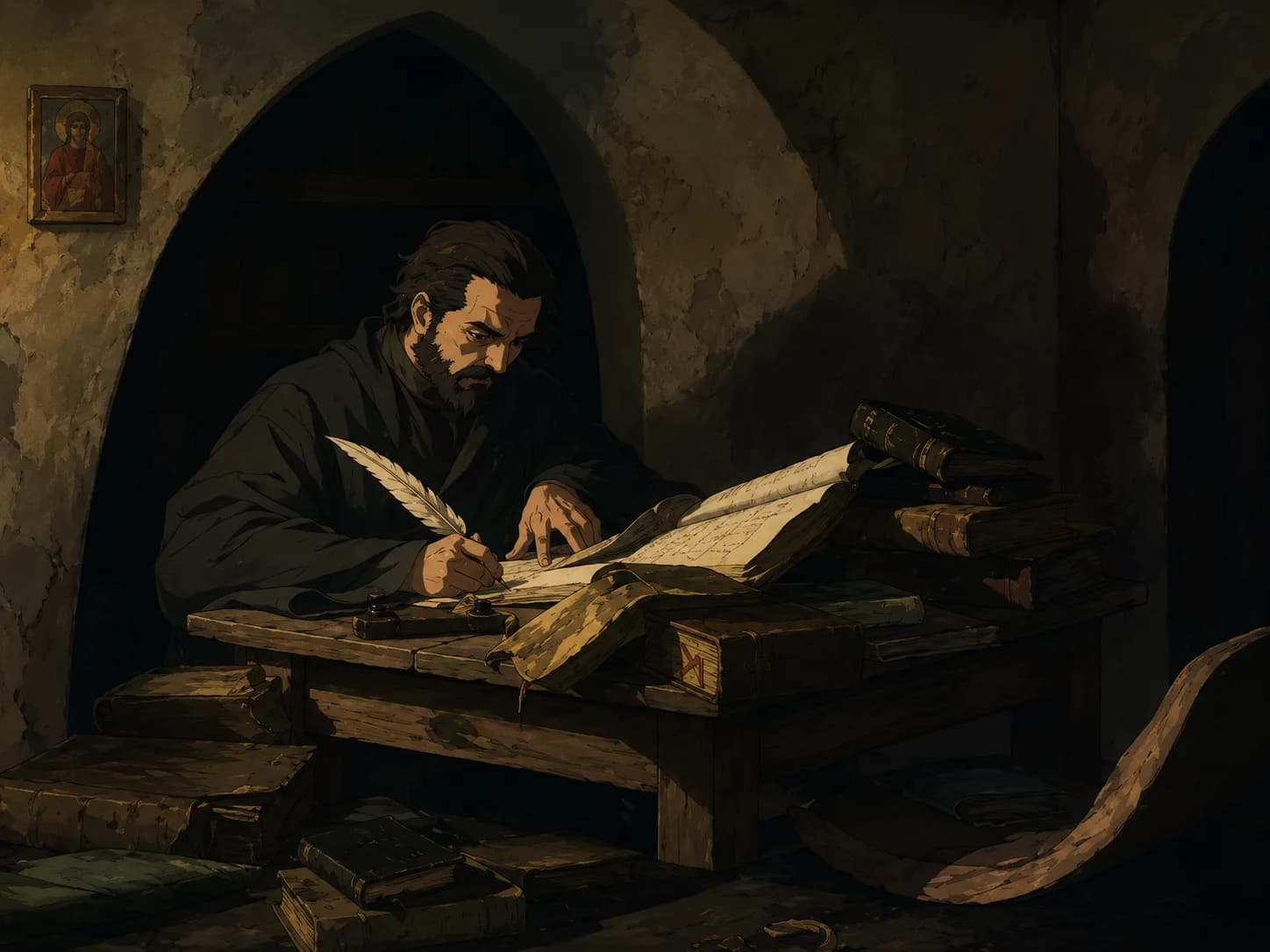
- It is the oldest written Slavic languageNinth-century Old Bulgarian is usually called Old Church Slavonic internationally, though scholars in the region debate how the two names relate. It was the first Slavic literary language and was widely used for religious writing.
- Cyrillic was developed in BulgariaThe script was shaped by the disciples of Cyril and Methodius in the Bulgarian literary schools. Bulgaria celebrates it with a national holiday on 24 May, and since 2007 Cyrillic has been the European Union’s third official alphabet.
- There is no infinitive“I want to eat” is literally “I want that I eat”, искам да ям. Every verb stays personal, which feels strange for beginners.
- The renarrative marks reported informationBulgarian has a renarrative verb form. It can show that you are reporting information received from someone else rather than describing an event you witnessed.
- The definite article is a suffixКнига is “a book”; книгата is “the book.” Bulgarian is unusual among Slavic languages in placing the definite article after the noun.
Study timeline
How long does Bulgarian take?
The US Foreign Service Institute plans about 1,100 classroom hours for professional working proficiency, meaning the level needed to use Bulgarian at work. It places Russian, Greek, and Turkish in the same group.
- 2 wks
Reading Cyrillic
Most learners decode signs, menus, and names within one to two weeks of daily practice.
- 3 mo
Survival Bulgarian
Greetings, ordering, shopping, directions, and simple exchanges about yourself. This is enough for many routine errands.
- 1 yr
Real conversations
With steady practice: everyday conversations at natural speed on familiar topics, television with effort, and jokes you mostly catch.
- 2 yr+
Comfortable fluency
Opinions, stories, bureaucracy, and arguments about football or politics. Common verb forms begin to come without deliberate recall.
- Never
People not making fun of your accent
Just deal with it
First-month plan
Your first month of Bulgarian
- 01
Learn to decode Cyrillic
Read names, signs, and short words aloud without worrying about speed.
- 02
Collect useful sentence chunks
Start with greetings, thanks, questions, and ordering phrases that you can use immediately.
- 03
Notice patterns
Learn nouns with their gender and verbs inside complete phrases.
- 04
Return often
Short, frequent contact beats occasional heroic study sessions.
Self-study resources
Bulgarian language resources
Use one structured source, one dictionary, and one listening source at a time. The goal is steady contact with real Bulgarian while keeping each study session focused.
Start with the Cyrillic alphabet guide, then use Bilingual Crosswords on Steam to learn words. Keep the essential phrases nearby, and use a small set of outside resources that match your level. Another Bulgarian learning app is also upcoming.
BDZ Read on the train
A Bulgarian State Railways ebook collection with prose, poetry, children's books, and audiobooks.
BGJargon
An uncensored slang dictionary for street language, jokes, and words beginner courses usually skip.
Blagunite Series
Native Bulgarian video material for listening practice once textbook dialogues start feeling too controlled.
BNT News
Public broadcaster news for native-speed Bulgarian, current vocabulary, and article listening practice.
Bulgarian language for foreigners (A1)
A structured YouTube playlist of guided A1 lessons.
Bulgarian videos with subtitles
Bulgarian videos with Bulgarian subtitles, useful when you are ready to match spoken words to written forms.
BulgarianPod101
Audio and video lessons from absolute beginner upward, useful if you want a large guided lesson library.
Bulgaro
A structured, grammar-first Bulgarian course for learners who want explanations alongside practice.
Chitanka
A large Bulgarian digital library for reading practice once you can handle full pages of native text.
Dictionary of the Bulgarian Language
The Institute for Bulgarian Language dictionary, useful for advanced meanings and register, including whether a word is formal or informal.
italki
One-to-one Bulgarian tutors by the hour, useful when you need speaking practice and direct feedback.
ItsyBitsy Bg
Simple Bulgarian video material aimed at children, useful for easy words, songs, and clear repetition.
Kak se pishe
A clear Bulgarian spelling, punctuation, and grammar reference built around short questions and examples.
Learn Basic Bulgarian Vocabulary
A basic vocabulary playlist for early review and pronunciation contact.
Nova
Commercial Bulgarian television news and video for native-speed listening and everyday media language.
OnlineRechnik
An online dictionary with definitions, synonyms, spelling help, and Bulgarian-English search.
r/bulgarianlanguage
A learner community for questions, corrections, resource ideas, and practical explanations from other people studying Bulgarian.
Say it in Bulgarian
Slow, clear Bulgarian listening practice before you move to material spoken at normal speed.
Simple Bulgarian
Slow Bulgarian videos with context and repetition for learners around B1 level.
Storytel
A paid audiobook option for Bulgarian listening practice with longer books.
Ucha.se Bulgarian language
Bulgarian-language school lessons and tests, useful once you can follow explanations meant for native-speaking pupils.
Common questions
Before you begin
Do I need to learn Cyrillic?
Yes. Learn the alphabet at the start. Writing Bulgarian with Latin letters, called transliteration, can help for a few days. Street signs, menus, messages, and most learning materials use Cyrillic.
Is Bulgarian harder than Russian?
They present different challenges. Bulgarian has a smaller alphabet and far fewer noun cases. Its verb system has more tenses and more ways to show where information came from. The difficulty depends on your first language and whether you have studied another Slavic language.
Can I learn Bulgarian on my own?
You can build a strong foundation independently. Ask Bulgarian speakers for feedback on pronunciation and phrasing once you begin forming your own sentences.
Which language is closest to Bulgarian?
Macedonian is the closest. The two languages share grammar features that distinguish them from the rest of the Slavic family. Descriptions of that relationship are politically sensitive on both sides of the border.
Do Bulgarians understand Russian?
Many older Bulgarians studied Russian at school and can follow it, but Russian and Bulgarian are different languages. Start with Bulgarian when possible. Even a basic greeting avoids the assumption that Russian is the local language.
Won’t everyone just switch to English?
In central Sofia, tourist areas, and among younger people, often yes. Outside those circles, English is less common.
Start with the alphabet guide, save the essential phrases, and test yourself with the Steam crossword game.